Ten Governor Races That Could Shift State Leadership
From Georgia to Vermont, voters decide the fate of key statehouses where party control is closely contested.
By Kevin Iyer ·
Voters across ten states face a pivotal choice today as they select the next governors for their states. These races are part of the broader midterm election that determines who controls Congress during the final two years of President Donald Trump's second term. Thirty-six governorships are up for grabs in this cycle. Republicans currently hold twenty-six of these offices, while Democrats hold twenty-four. Each party holds eighteen of the specific offices on the ballot today.
The outcome of these state races will determine whether Democrats achieve a nationwide majority of governorships for the first time in two decades. Democrats need a net gain of two governorships to reach that milestone. Republicans, who have held the majority since 2010, must prevent this shift to maintain their presence in state leadership. Nineteen of the races feature no incumbent on the ballot, with fifteen governors term-limited and others choosing not to run or losing their primaries.
In Georgia, the race pits Republican health care executive Rick Jackson against Democratic former Atlanta Mayor Keisha Lance Bottoms. They are competing to succeed former Governor Brian Kemp. The Associated Press notes that this is a closely watched contest in a state that President Trump won in 2024. In Nevada, Republican Governor Joe Lombardo faces Democratic Attorney General Aaron Ford. Nevada has a significant mail voting component, with polls open from 7 a.m. To 7 p.m. Local time.
Ohio presents a high-profile matchup between Republican Vivek Ramaswamy and Democrat Amy Acton. Ramaswamy's campaign recently faced backlash over an advertisement featuring Acton's estranged mother. This race occurs alongside a special Senate election in the same state. In Arizona, Democratic Governor Katie Hobbs seeks re-election in a state that Trump won in 2024. Polls in Arizona are open from 6 a.m. To 7 p.m. Local time.
Pennsylvania features Democratic Governor Josh Shapiro in a race that could influence the state's political landscape. Wisconsin offers a contest where Democrats are defending a governorship in a state Trump won. The AP identifies these as key battlegrounds where the outcome could swing the national balance of power. In Michigan, Democrats are also defending a governorship in a state that Trump won by a narrow margin in 2024. Polls in Michigan are open from 7 a.m. To 8 p.m.
Kansas provides a critical test for Republicans in a traditionally conservative state. The AP highlights Kansas as central to the fight for Senate control, and the governor's race is part of that broader state strategy. In New Hampshire, Republican Governor Kelly Ayotte faces a challenge in a state that voted for Kamala Harris in 2024. Polls in New Hampshire vary by town, with most opening by 11 a.m. And closing no earlier than 7 p.m.
Vermont offers a unique contest where Republican Governor Phil Scott is defending his seat. This is one of two races in states that Harris won where Republicans are defending governorships. The other is in New Hampshire. These races highlight the competitive nature of the 2026 midterms, where geographic lines are shifting. Voters in Vermont can cast their ballots between 5 a.m. And 10 a.m., with polls closing at 7 p.m.
The Associated Press describes the overall election as a referendum on Trump's second term. Voters are reported to be struggling with high prices and anger over an unpopular war with Iran. AP-NORC polling indicates that 35% of U.S. Adults approve of Trump's job performance, while about 7 in 10 say the country is heading in the wrong direction. More than 57 million people had already voted as of Monday, surpassing early vote totals from four years ago in many closely watched states.
Money plays a significant role in these campaigns, with the 2026 elections likely to be the most expensive in history. Republican committees outraised and outspent Democratic committees at the committee level, aided by Trump-affiliated groups and Elon Musk. However, at the candidate level, Democrats outraised their opponents. The AP analysis of AdImpact data shows that 88.1% of Republican general election TV ad spending went to states and districts Trump won in 2024. This includes more than $850 million in states where he won by ten points or more.
Party leaders express different outlooks on the day. RNC Chairman Joe Gruters stated that everything depends on turnout, saying that if they turn out their voters, they will win. DCCC Chair Rep. Suzan DelBene countered that the American people are angry and want change. These sentiments reflect the divided mood among voters as they head to the polls. The results of these ten governor races will be closely analyzed for their impact on the broader national political landscape.
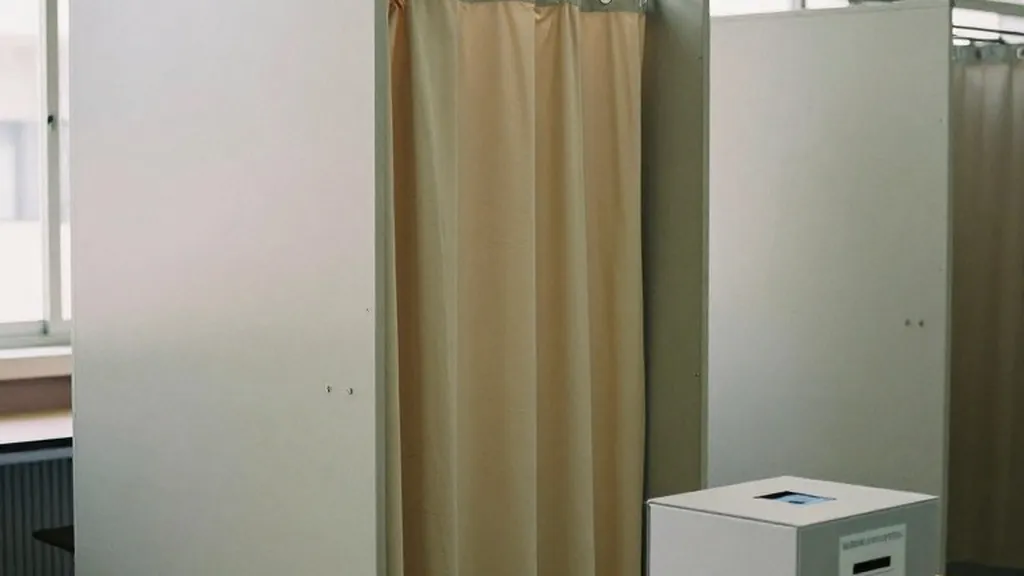
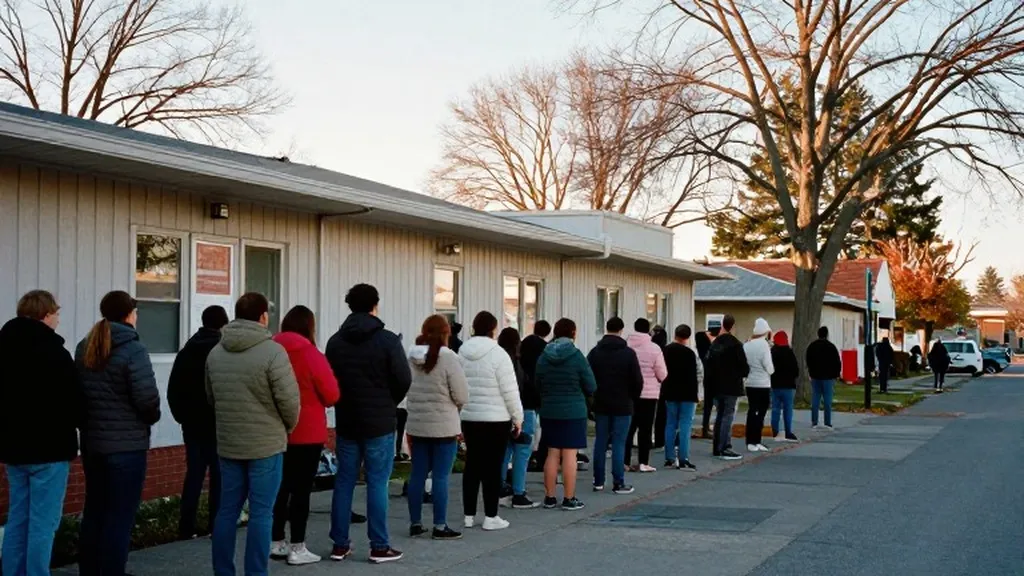
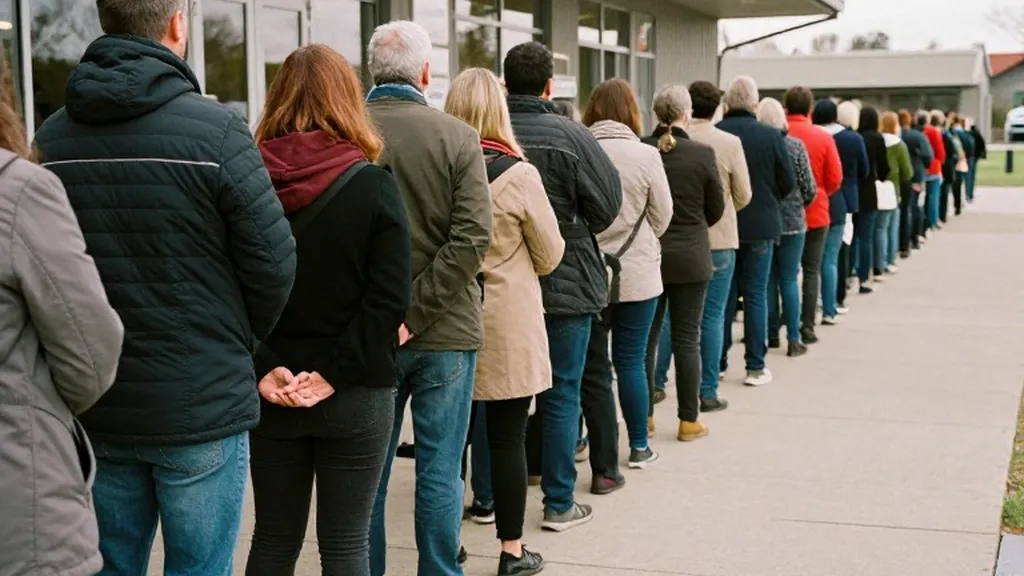
Voters are encouraged to check their specific polling place and ID requirements at vote.gov or their state election office. Anyone in line when polls close is entitled to vote. The U.S. Postal Service has added hours and staff to ensure mail ballots are counted on time. A federal judge temporarily barred the Trump administration from a plan to prevent noncitizen voting, a move critics say risks disenfranchising eligible voters. The administration also stopped demanding that California officials segregate ballots from suspected noncitizens. These administrative moves add another layer of complexity to a day already focused on high-stakes political outcomes.