Courts and Ballots: Legal Battles Shape the 2026 Election Process
Federal rulings on noncitizen voting and new postal measures are defining the logistical framework for today's midterm contest.
By Marco Kapoor ·
Election Day in 2026 has arrived with a backdrop of significant legal uncertainty regarding who is eligible to vote and how those votes will be counted. A federal judge issued a temporary order on Monday that bars the Trump administration from executing a specific plan designed to prevent noncitizen voting. This judicial intervention has created a complex environment for election officials who are currently managing polling places across the country.
The ruling is part of a broader legal strategy that includes separate lawsuits filed in Alaska and California. In California, a judge specifically ordered the administration to stop demanding that local election officials segregate ballots cast by individuals appearing on lists of suspected noncitizens. This order aims to streamline the counting process while addressing concerns about the proper handling of provisional ballots.
Democratic leaders have expressed concern that these federal actions could lead to voter disenfranchisement or intimidation of local election officials. The Justice Department has threatened to prosecute local officials who do not follow federal directives, a move that critics argue infringes upon the traditional authority of states to manage their own elections. This tension between federal enforcement and state autonomy is a central feature of the current political landscape.
Republican officials argue that these measures are necessary to ensure the integrity of the election and to address what they describe as widespread noncitizen voting. They maintain that strict adherence to federal rules is essential for maintaining public confidence in the results. The administration has continued to press these legal claims, suggesting that without such interventions, the election results might be challenged in the future.
The U.S. Postal Service has implemented additional measures to support the election, adding hours, staff, and special processing lines to ensure that mail-in ballots are counted on time. These logistical changes are critical in states where a significant portion of the electorate votes by mail. The agency is working to mitigate delays that could affect the final tally in close races.
Voters are heading to the polls in a mid-term election that will determine the balance of power in Congress for the remainder of President Donald Trump's second term. All 435 House seats and 35 Senate seats are up for grabs, with the outcome potentially shifting control of either chamber. The stakes are high, as a change in leadership in the House or Senate could trigger new investigations and oversight proceedings.
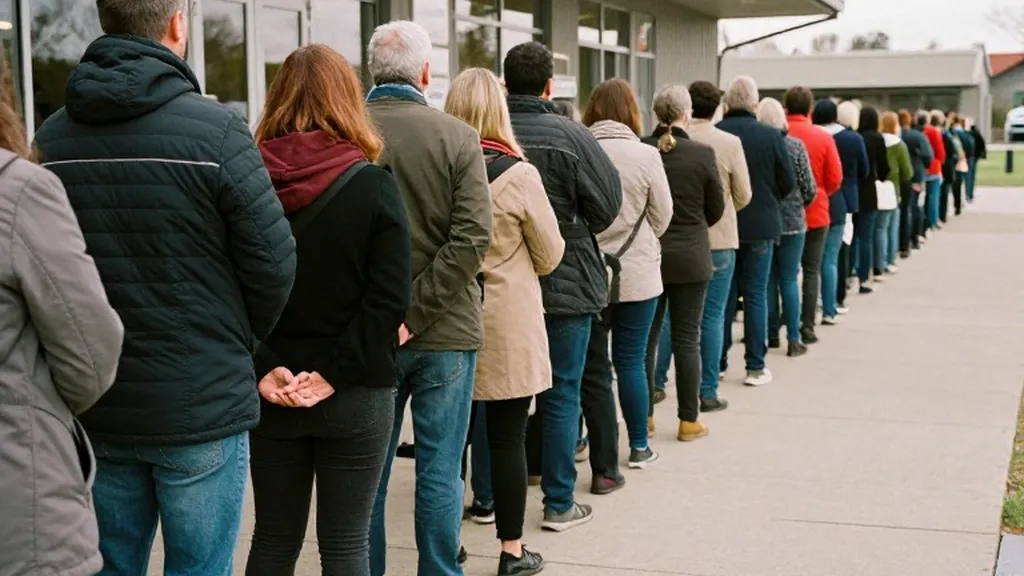
Early voting numbers have already surpassed the totals from four years ago in many closely watched states, indicating high participation. More than 57 million people had voted by Monday, setting the stage for a busy Tuesday. The mood among voters is mixed, with many citing high prices and economic strain as primary concerns, while others express support for the current administration's policies.
Legal experts note that the rulings in Alaska and California will likely have immediate practical effects on how election night is managed. In Alaska, the Trump administration filed a lawsuit related to the certification of the Senate result, adding another layer of legal complexity to a state that is considered a battleground. The outcome of these legal battles could influence how results are certified in other states as well.
The Postal Service's expanded operations are being closely monitored by both parties, as timely counting of mail ballots is often a point of contention in close elections. The agency's efforts to add staff and processing time are intended to provide a buffer against unexpected surges in mail ballot volume. These measures are part of a larger federal push to ensure the smooth administration of the election.
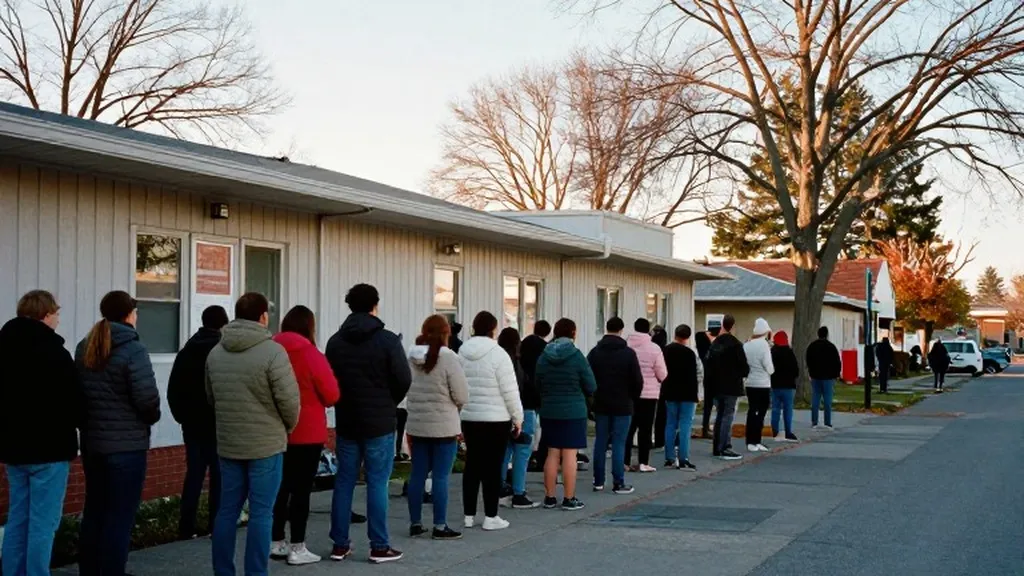
As polls open and close across the country, election officials are navigating these new legal and logistical realities. The interplay between federal court orders, state election laws, and federal agency support defines the procedural framework for today's vote. Voters are casting their ballots in this context, with the final outcome of the midterms still to be determined by the count.
The legal actions in California and Alaska have drawn attention to the specific mechanisms used to verify voter eligibility. The order to stop segregating ballots in California simplifies the workflow for local officials, while the temporary bar on the noncitizen voting plan in other jurisdictions allows for a more traditional approach to ballot counting. These decisions reflect the ongoing negotiation between federal oversight and local implementation.
The election administration is proceeding under the shadow of these court orders, which have introduced new variables into the process. Both parties are watching closely to see how these legal mandates affect the final tallies. The Postal Service's role in ensuring timely mail ballot processing adds another dimension to the logistical challenges facing election officials on this key day in the American political calendar.