Voter's Guide: Poll Hours, ID Rules, and Mail Ballot Deadlines for 2026
With millions still to vote, here is a practical breakdown of state voting hours, identification requirements, and the role of the Postal Service.
By Christopher Singh ·
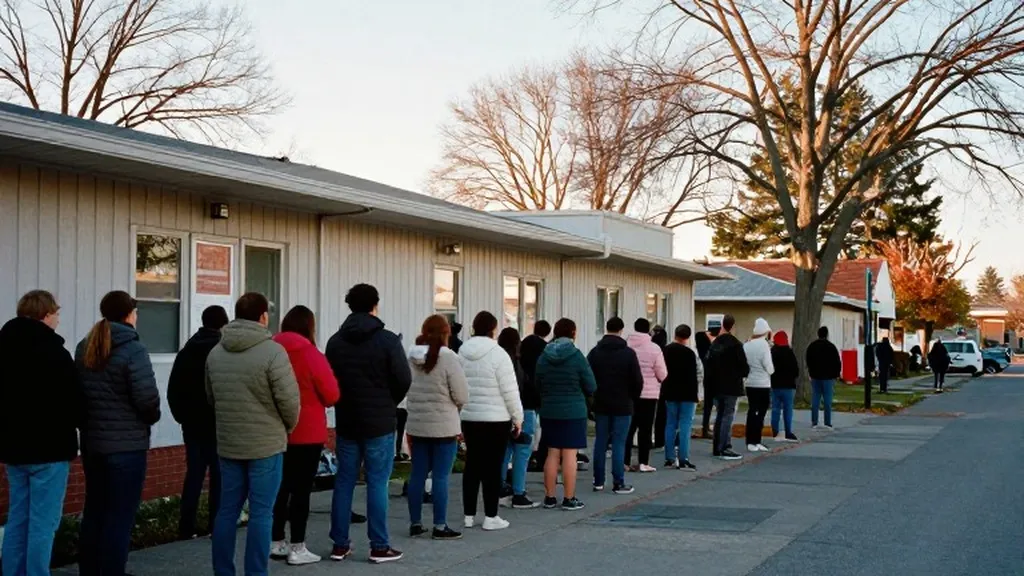
As of Tuesday, November 3, 2026, voting is underway across the nation for the midterm elections. The Associated Press reports that more than 57 million people had already cast ballots as of Monday. This early turnout has surpassed the totals from four years ago in many closely watched states. Voters are heading to polling places to decide who controls Congress for the final two years of President Donald Trump's second term. The process involves navigating specific state rules for hours and identification, which can vary significantly from one location to another.
Finding the correct polling place is the first step for many voters. The website vote.gov serves as a central resource for citizens to locate their specific site. Ballotpedia notes that polling hours differ by state, with most locations opening between 6 a.m. and 8 a.m. local time. For example, Alabama polls open at 7 a.m. and close at 7 p.m., while New York voters have a longer window from 6 a.m. to 9 p.m. In states like California and Colorado, voting is largely conducted by mail, though in-person options remain available until 8 p.m. in California and 7 p.m. in Colorado.
Identification rules present a common source of confusion for voters. Ballotpedia advises that ID requirements vary by state and recommends checking specific state rules before heading to the polls. Some states require a photo ID, while others allow non-photo identification or no ID at all if the voter signs a statement of identity. A federal judge on Monday temporarily barred the Trump administration from carrying out a plan intended to prevent noncitizen voting. Critics argue this move risks disenfranchising eligible voters, while supporters say it strengthens election integrity. This legal development highlights the ongoing debate over who is eligible to vote and how that eligibility is verified.
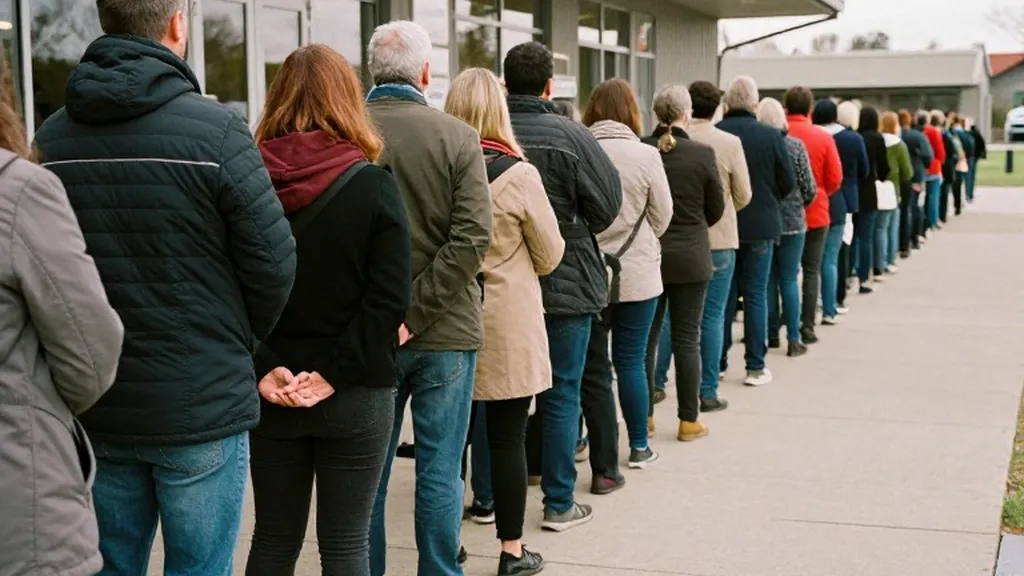
For those waiting in line, the rules are generally consistent across jurisdictions. Ballotpedia states that anyone in line when polls close is entitled to vote. This provision ensures that early arrivals are not penalized for long wait times, which can occur in high-traffic urban areas or in states with limited polling locations. Voters in New Jersey and Maine, for instance, can stay in line until 8 p.m., while those in Kentucky must be in line by 6 p.m. to cast a ballot. This uniformity in line-standing rules provides a clear standard for election officials to follow.
Mail-in voting plays a critical role in the 2026 election, particularly in states like Oregon, Utah, and Washington. The U.S. Postal Service has added hours, staff, and special lines to ensure mail ballots are counted on time. Reuters reports that the Postal Service is closely monitoring the volume of incoming ballots to prevent delays. This logistical effort is crucial in states where a significant portion of the electorate votes by mail. The service aims to process these ballots efficiently to avoid the backlog that can sometimes occur in high-turnout years.
The Associated Press describes the election as a referendum on the president's performance, with voters expressing concerns about high prices and an unpopular war with Iran. AP-NORC polling indicates that 35 percent of U.S. adults approve of Trump's job performance. About seven in ten say the country is heading in the wrong direction. These sentiments are driving voter turnout and influencing how candidates frame their messages. Republicans are bracing to lose the House, while Democrats are cautiously optimistic about their chances. The outcome will determine which party controls the legislative agenda for the next two years.
In the Senate, 35 seats are up for election, including 33 regular races and two special elections. Ballotpedia identifies 13 Senate races as battlegrounds. In Georgia, Senator Jon Ossoff faces Republican Representative Mike Collins. In Ohio, Democratic former Senator Sherrod Brown challenges Republican Senator Jon Husted. These races are closely watched because a net gain of four seats would give Democrats a majority. Republicans currently hold 53 seats, while Democrats hold 45, plus two independents who caucus with Democrats. The special elections in Florida and Ohio are also key, as they fill the seats of Senators Marco Rubio and JD Vance, who were elected to the Vice Presidency in 2022.
Governor's races are also on the ballot in 36 states. Republicans currently hold 26 governor's offices, while Democrats hold 24. Ballotpedia lists nine states as governor battlegrounds, including Arizona, Georgia, and Michigan. In Georgia, Republican Rick Jackson faces Democratic former Atlanta Mayor Keisha Lance Bottoms. In Nevada, Republican Governor Joe Lombardo runs against Democratic Attorney General Aaron Ford. These races are significant because governors hold substantial power over state budgets and policies. Democrats hope to hold a majority of governorships for the first time in two decades, which would strengthen their position in the 2028 presidential race.
The financial aspect of the 2026 elections is also notable. The Associated Press reports that these elections will likely be the most expensive in history. Republican committees outraised and outspent Democratic committees at the national level, helped by Trump-affiliated groups. However, at the candidate level, Democrats outraised their opponents. This disparity in spending reflects the different strategies employed by each party. Republican spending was heavily concentrated in states Trump won in 2024, while Democrats focused on competitive districts and states. The high cost of campaigning underscores the intensity of the competition for control of Congress.
Voters in different time zones must pay attention to local polling hours. For example, Florida polls close at 7 p.m. Eastern and Central time, while Texas polls close at 7 p.m. Central time. In Alaska, polls close at 8 p.m. local time, which is 10 p.m. Eastern time. These time differences can affect when results are reported and how voters plan their day. The Associated Press notes that Trump held rallies in several states, including Kansas, where he urged voters to pretend he was on the ballot. This effort to influence the midterm elections highlights the continued involvement of the president in the campaign process.