Breaking: Election Day is here! Make your selections: as 35 Senate seats and all 435 House districts are contested
Voters across the nation decide control of Congress and key governorships in a historic midterm election marked by high stakes and intense competition.
By Kevin Iyer ·
Election Day has arrived, and the nation is poised to decide the balance of power in Washington. This is a midterm election occurring halfway through President Donald Trump's second term. The results will determine which party controls the House of Representatives and the Senate for the final two years of his presidency. Every seat in the House is up for grabs, with all 435 positions on the ballot. In the Senate, 35 seats are contested, including 33 regular elections and two special elections. Additionally, 36 governorships are being decided, making this one of the largest federal votes in recent history. The outcome will shape the legislative agenda and the tone of the administration's remaining time in office.
The stakes are high for both parties. Republicans currently hold a majority in the Senate with 53 seats, while Democrats hold 45, plus two independents who caucus with the Democrats. Democrats need a net gain of four Senate seats to take control. Republicans can afford to lose only two. In the House, Republicans hold 218 seats and Democrats hold 214, with one independent and some vacancies. Democrats need a net gain of three districts to secure a majority, while Republicans can lose no more than two. This tight race means that a small number of votes in key districts could shift the entire dynamic of the chamber.
Governorships are also a critical battleground. Republicans currently hold 26 governor's offices, and Democrats hold 24. In the 36 races on the ballot, each party holds 18 incumbent offices. Democrats need a net gain of two governorships to achieve a nationwide majority, which Republicans have held since 2010. Many of these races are open seats because incumbents are term-limited or chose not to run. This creates an opportunity for challengers to upset the status quo in states across the country. The control of statehouses will influence redistricting maps and state budgets in the years to come.
This election is being viewed as a referendum on the president's performance. Polling from AP-NORC shows that 35 percent of U.S. Adults approve of Trump's job performance, while 25 percent approve of his handling of the economy. About 70 percent say the country is heading in the wrong direction. Many voters blame the president for high prices. The AP notes that more than 57 million people had already voted as of Monday, surpassing early vote totals from four years ago in many closely watched states. This high turnout suggests strong engagement among the electorate.
Republicans are bracing for the possibility of losing the House but are fighting hard to hold the Senate. One or two seats could tip the balance in either chamber. Democrats are described as cautiously optimistic about their chances. RNC Chairman Joe Gruters stated that everything depends on turnout and that turning out voters is the key to victory. DCCC Chair Rep. Suzan DelBene said that the American people are angry and want change. These differing perspectives highlight the competitive nature of the race and the importance of mobilizing supporters on Election Day.
Key Senate races will determine the final makeup of the chamber. In Georgia, Sen. Jon Ossoff is facing Republican Rep. Mike Collins. In North Carolina, former Gov. Roy Cooper is challenging former RNC chair Michael Whatley. In Ohio, former Sen. Sherrod Brown is running against Sen. Jon Husted. In Michigan, former Rep. Mike Rogers is competing against Democrat Abdul El-Sayed. In Texas, Attorney General Ken Paxton is running against Democrat James Talarico. In Maine, Sen. Susan Collins is facing former state Senate President Troy Jackson. These races are seen as pivotal because of the close presidential margins in these states.
Governor races are also heating up in several states. In Georgia, Republican health care executive Rick Jackson is running against former Atlanta Mayor Keisha Lance Bottoms. In Nevada, Republican Gov. Joe Lombardo is facing Democratic Attorney General Aaron Ford. In Ohio, Vivek Ramaswamy is competing against Democrat Amy Acton. The AP describes Texas, Florida, and Iowa as competitive governor races. Democrats hope to hold a majority of governorships for the first time in two decades. These races will have significant implications for state policy and national trends.
The mood among voters is mixed. Mark Barker of Palm Beach Gardens, Florida, said he has been following Trump and thinks he is doing an awesome job. James Moore, a librarian in Raleigh, North Carolina, noted that he is paying more for taxes, healthcare, and everything else. These personal accounts reflect the broader economic concerns driving the election. Voters are struggling with high prices and are angry over an unpopular war with Iran. These issues are central to the campaign messages from both parties.
Money is playing a significant role in this election. The 2026 elections are likely to be the most expensive in history. Republican committees outraised and outspent Democratic committees, helped by Trump-affiliated groups and Elon Musk. However, at the candidate level, Democrats outraised their opponents. 88.1 percent of Republican general election TV ad spending went to states and districts Trump won in 2024. This spending pattern reflects the strategy of defending the president's base while attacking vulnerable opponents.
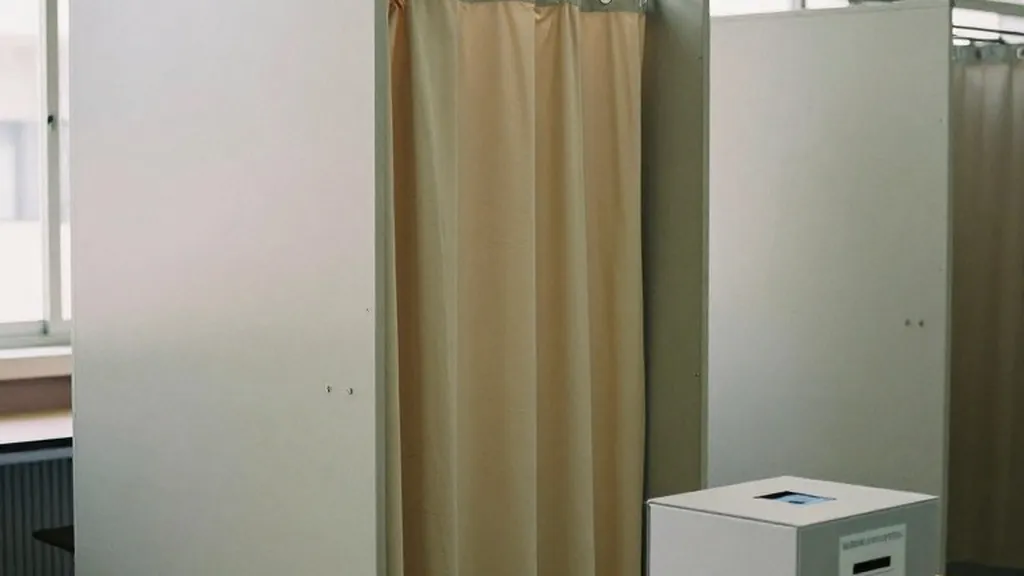
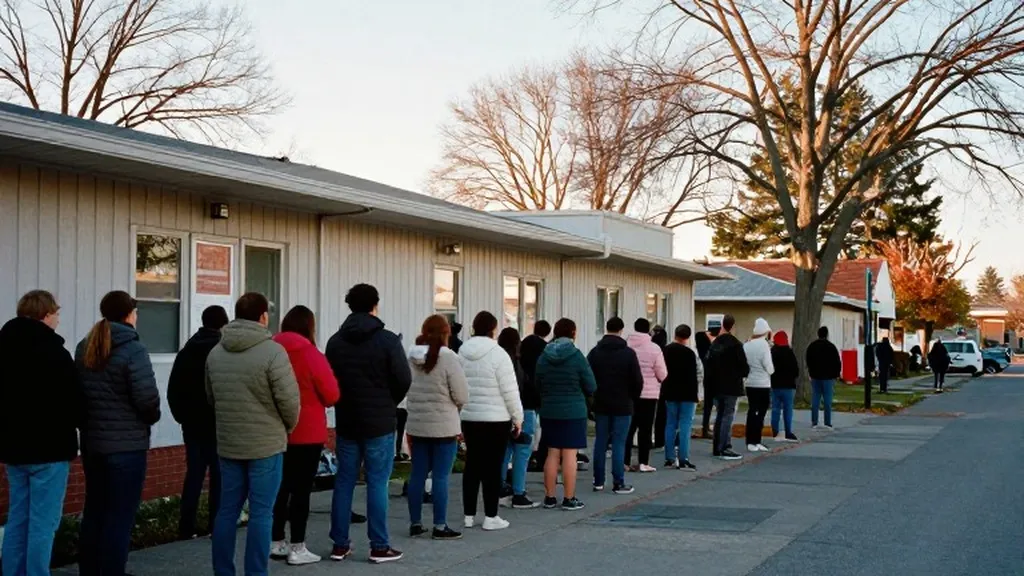
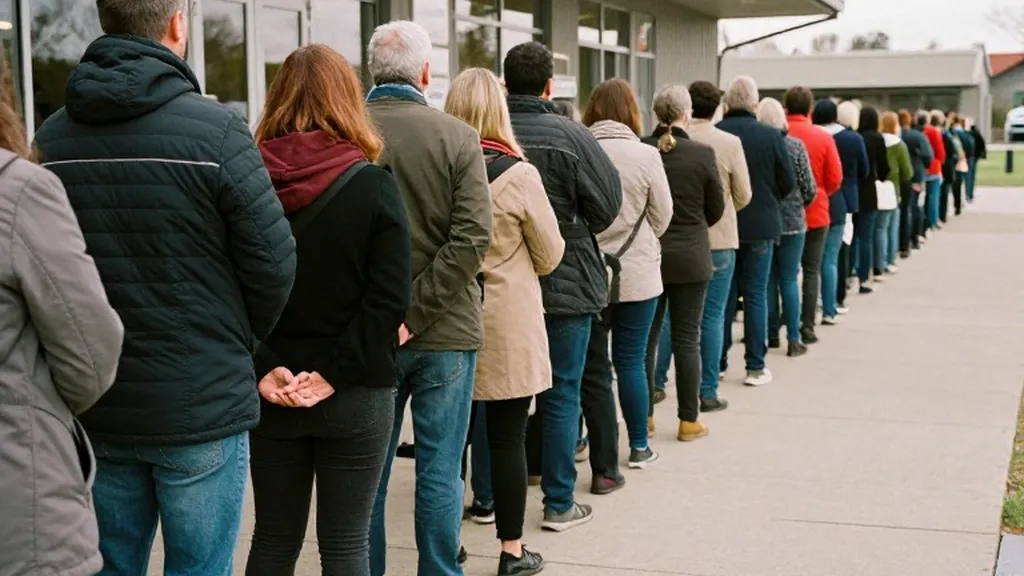
How to vote today is simple but requires preparation. Find your polling place at vote.gov or your state election office. Poll hours vary by state, so check the specific times for your area. For example, in Florida, polls are open from 7 a.m. To 7 p.m. In New York, they are open from 6 a.m. To 9 p.m. In California, polls are open from 7 a.m. To 8 p.m. Anyone in line when polls close is entitled to vote, so it is important to arrive early if possible. ID rules vary by state, so check your state's rules before heading to the polls. Stay in line if you are waiting, as your vote counts even if you are not inside the building when the clock strikes the closing time.
The election administration is being closely watched. A federal judge temporarily barred the Trump administration from carrying out a plan to prevent noncitizen voting, which critics say risks disenfranchising eligible voters. Another judge ordered the administration to stop demanding that California election officials segregate ballots cast by people on lists of suspected noncitizens. The U.S. Postal Service has added hours, staff, and special lines to ensure mail ballots are counted on time. These administrative moves are part of a broader effort to ensure a smooth voting process across the country.
Wall Street is also watching the results closely. The outcome could add to investor concerns about AI spending and debt ceiling negotiations. The results of this election will have far-reaching implications for the economy and the future of the country. As voters head to the polls, the nation awaits the decision that will shape the next two years of American politics.
This is a historic moment for American democracy. The choice is yours, and your voice matters. Whether you are voting for the first time or for the fiftieth, your participation helps define the direction of the nation. The polls are open, and the race is on. Make your selections, cast your ballot, and help decide the future of Congress and the governorships that will guide the country in the years ahead.