Democrats seize control of Congress after historic midterm landslide
Election results show Democrats gaining at least 43 House seats and seven Senate seats, ending Republican majorities in both chambers and setting up a new era of legislative oversight.
By Kevin Iyer ·
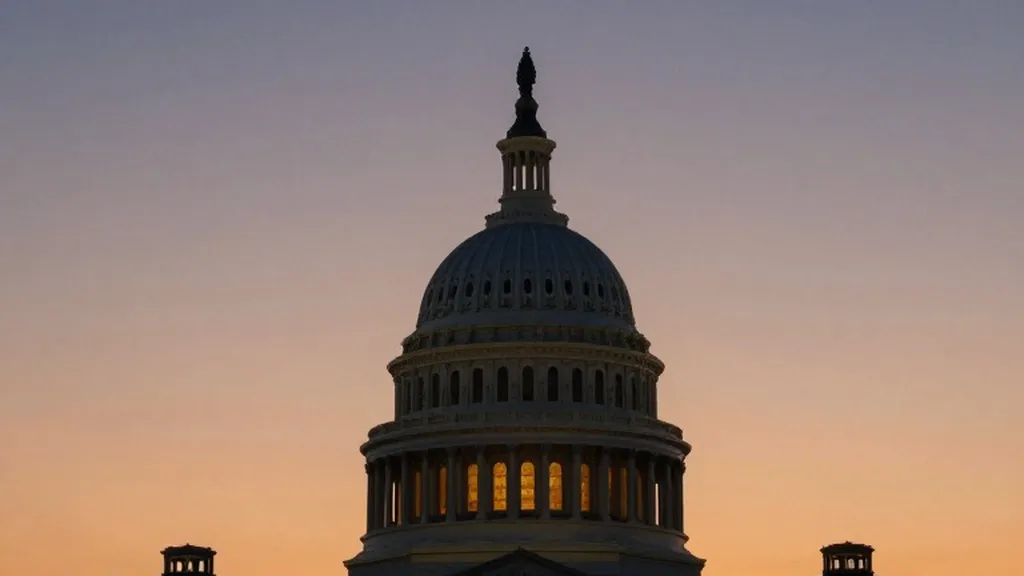
Washington is redefining its political center of gravity following the midterm elections held on Tuesday, November 3, 2026. The results indicate a decisive shift in power, with Democrats securing majorities in both the U.S. House of Representatives and the U.S. Senate. This outcome marks a significant turning point for the balance of power in the federal government, as the party that held the presidency for the prior term faces a new legislative majority dedicated to oversight and potential policy reversal.
According to compiled election data, Democrats picked up at least 43 seats in the House of Representatives. Of these, 42 seats were previously held by Republicans and one was held by an independent. In the Senate, Democrats gained seven seats, all of which had been occupied by Republicans. As of 4:00 p.m. EST on November 6, Democrats will hold a 250 to 157 majority in the House and a 54 to 44 majority in the Senate. These numbers confirm a strong mandate for the party, although some races remain uncalled and could further adjust these totals.
The scale of the Republican loss in the Senate places this election among the top 20% of election years in terms of seat swings against a president's party. Analysts have defined such a shift as a wave election. While the House losses of 42 seats fall short of the 48 seats needed to qualify as a wave by that specific metric, the Senate results clearly meet the threshold. This dynamic suggests a unified legislative front for Democrats as they prepare to convene in January.
Beyond federal chambers, the election results show Democrats winning a plurality of state government trifectas and state legislative chambers. This is the first time since before the 2010 elections that Democrats have secured a majority of governorships. In 44 of the 46 states where trifecta status had been decided by the November 6 deadline, Democrats made significant gains in local and state offices. This broad-based victory provides the party with leverage in statehouses across the country, not just in Washington.
The immediate implications of these results are already shaping the political discourse. With Democrats now controlling both chambers, they are positioned to use their oversight and appropriations powers to push back against the current administration's agenda. This includes plans to investigate the dismantling of the U.S. Education Department and to use federal funding as leverage in other policy areas. The new majority allows for a more aggressive legislative stance compared to the previous cycle.
Republican leaders have expressed frustration at the timing of certain legislative moves, with some arguing that impeachment proceedings in the middle of hostilities abroad are a poor look for allies and enemies. However, with the new majority set to take office in January, the balance of power in the Senate will also shift, potentially altering the outcome of any trials or confirmations. The current Republican majority in the Senate is expected to use its final weeks in power to execute its own agenda before the new Congress convenes.
State-level results also reflect the national trend, with Democrats winning key governorships and legislative seats. This expansion of control at the state level provides Democrats with additional resources and platforms to advocate for their policy priorities. The win in California, where Xavier Becerra was elected as the state's first Latino governor, highlights the party's strength in diverse and populous states. Becerra's victory is part of a broader pattern of Catholic and Latino voters aligning with the Democratic platform in this cycle.
The election results also have implications for the relationship between the legislative branch and the executive branch. With Democrats now holding the purse strings in both the House and the Senate, they can attach conditions to spending bills aimed at reining in executive actions. This power of the purse is seen as a critical tool for establishing guardrails and preventing practices that the new majority views as abusive. The shift in control allows for a more structured approach to budgeting and oversight.
Political analysts note that the wave nature of the election in the Senate will provide Democrats with a stable majority for the next two years. This stability is crucial for passing legislation and conducting investigations without the threat of a close margin. The loss of 42 House seats by Republicans is a significant setback, but the overall picture is one of a strong Democratic mandate. The new Congress will have the opportunity to shape the legislative agenda for the remainder of the current administration's term.
Looking ahead, the new majority is expected to focus on key issues such as education, national security, and the economy. The results suggest that voters favored a change in direction, giving Democrats the opportunity to implement their vision for the country. The shift in power will likely lead to increased tension between the branches of government, but it also provides a clear path for legislative action. The coming months will be critical as the new Congress prepares to take office and begin its work.
The election results serve as a clear signal of voter sentiment and provide a roadmap for the next two years of federal policy. With Democrats in control of both chambers and a majority of governorships, the party is well-positioned to advance its agenda. The wave election in the Senate ensures that this control is not temporary but sustainable for the duration of the term. This new era of governance will be defined by the actions of the new majority and its ability to deliver on its promises to voters.