Democrats win both chambers in midterms
The Democratic Party secured majorities in the House and Senate, setting up a two-year period of intense conflict with the White House.
By Christopher Singh ·

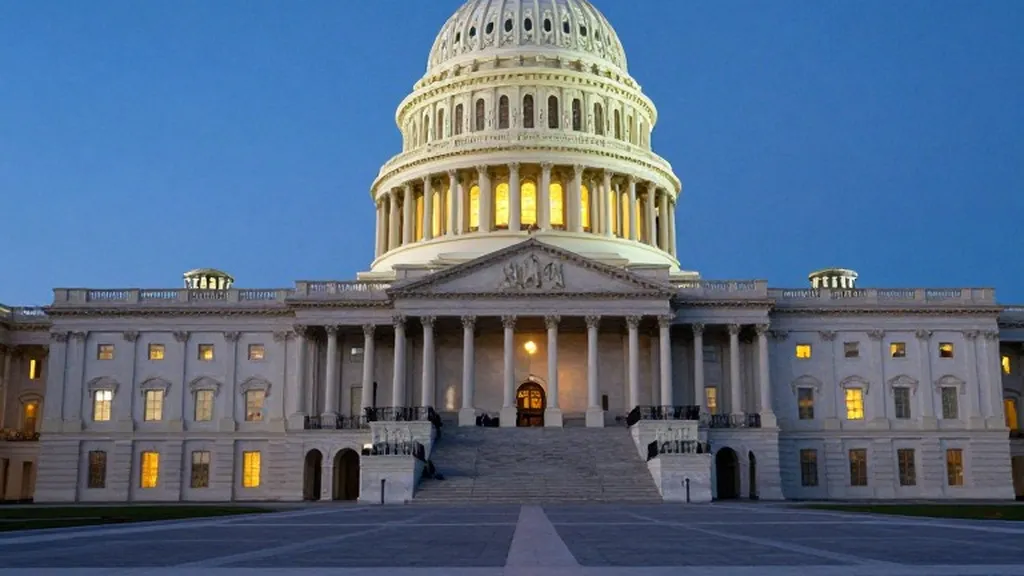
The Democratic Party captured majorities in both the House of Representatives and the Senate in the 2026 midterm elections, ending the Republican administration's legislative control. This outcome reversed the balance of power in Washington immediately as the results were confirmed. The new congressional leadership now holds the authority to pursue a more aggressive oversight agenda against the executive branch.
The shift in power followed a historical pattern where the president's party loses seats in midterm cycles. In this election, voters gave Democrats a clear mandate to restore checks on the executive and address the rising cost of living. The party campaigned heavily on these economic themes, appealing to a broad coalition that felt the current administration failed to protect their financial interests.
President Donald Trump and his administration have signaled they will not take a passive role in the coming months. The White House has adopted a combative stance toward the new Democratic majority, anticipating a period of intense conflict. This approach departs from previous midterms where losing parties often sought a period of reconciliation before engaging in policy battles.
The administration's strategy relies on a strong defense to mitigate the impact of a divided government. President Trump has declared that investigative requests from Democrats constitute a form of extortion. Attorney General Todd Blanche echoed this sentiment, stating that criminal investigations of Democrats are possible if they threaten the administration. This rhetoric aims to rally the Republican base and prepare the party for a long fight.
Incoming Democratic leaders are preparing a vigorous response to the administration's posture. The new House Oversight Committee, now chaired by a Democrat, is planning investigations into what party leaders have described as the Trump crime family. This language reflects a desire to move beyond routine oversight into active scrutiny of the executive branch.
The Democratic Party is also considering impeachment as a tool of governance. While some members expressed caution about the political risks, leadership has signaled it is an option if the administration is found to be shortchanging the American people. The party believes the electoral mandate provides the cover needed to pursue difficult legislative actions while balancing the need to pass substantive legislation for working-class families.
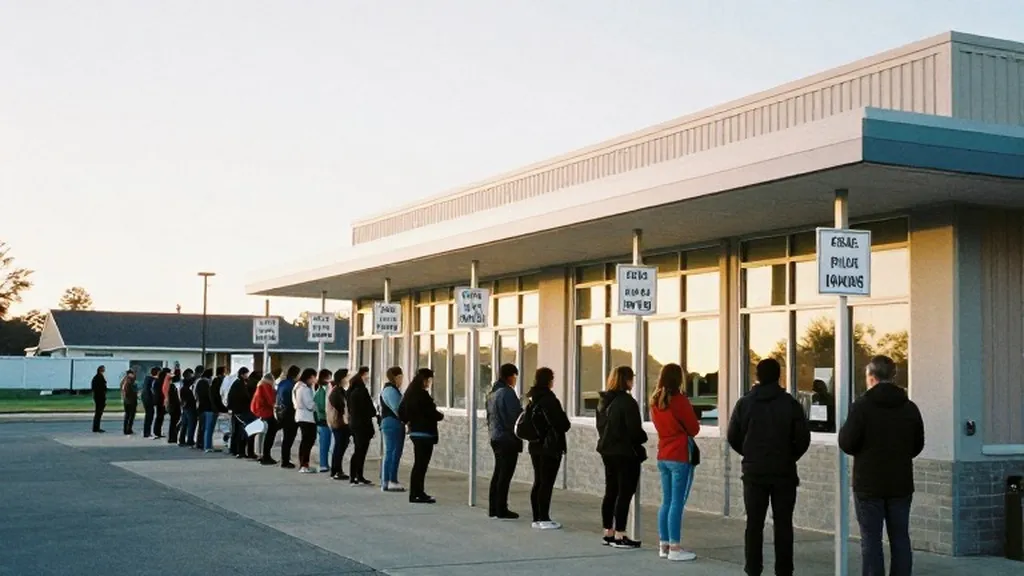
Voter turnout surged in the 2026 midterm elections, driven by dissatisfaction with the current state of the nation. Economic concerns, immigration policy, and a desire for stronger checks on the presidency motivated many voters. The Democratic Party capitalized on these issues by presenting a clear alternative to the Republican agenda, demonstrating that voters support candidates who challenge the status quo.
The next two years will test the limits of congressional power and the resilience of the executive branch. Both parties are now in a position where they must navigate a divided government while trying to implement their respective agendas. The coming congressional session will be defined by the tension between the new majority's push for accountability and the White House's defensive strategy.
More Politics · National news · Report a business · Got a Story?