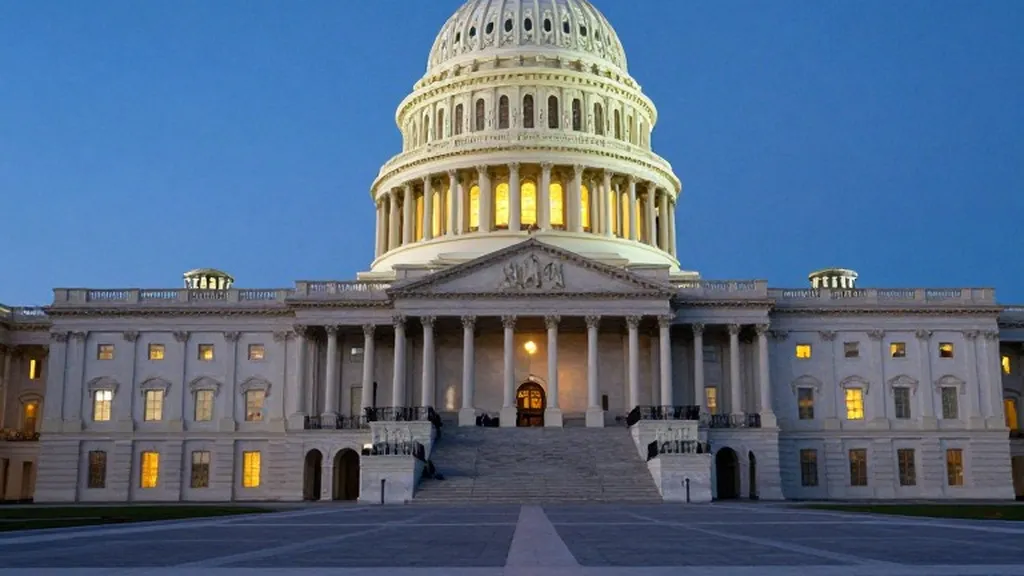
Record 57 million early votes reshape the 2026 midterm turnout landscape
Both parties stake their claims on voter engagement while results show Democrats securing House and Senate majorities.
By Kevin Iyer ·
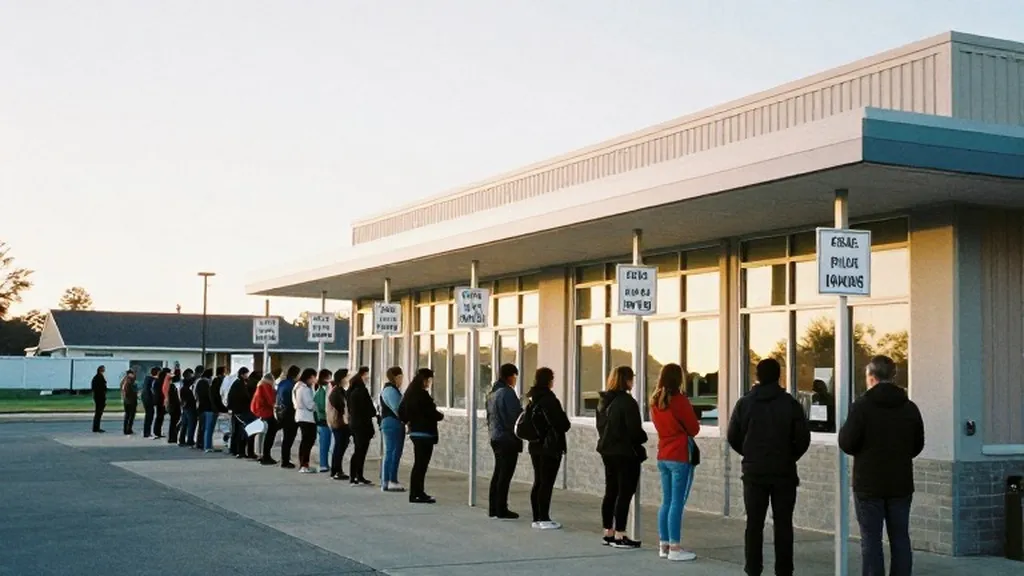
The 2026 midterm elections concluded with a decisive shift in power, as Democrats secured healthy majorities in both the House and the Senate. The election took place on November 3, 2026, and the high level of participation was a defining feature of the contest. A total of 57 million early votes were cast prior to Election Day, a figure that set the stage for the final tally. This volume of early voting reflected the intense focus both parties placed on mobilizing their base. The ground game for this cycle was distinct from previous midterms, with a heavy emphasis on early vote outreach. Both Republican and Democratic strategists argued that their respective turnout bets had been vindicated by the final numbers. The results indicated that voters were highly engaged with the stakes of the election. The Senate saw key victories that altered the balance of power in Washington. Democrats gained enough seats to control the chamber, a result that was widely anticipated by analysts tracking early vote trends. The House race was similarly tight, but the final count confirmed a Democratic majority. This outcome was seen as a direct response to national issues such as the cost of living and executive branch oversight. The high number of early votes suggested that many voters made their choices before the final day of polling. This trend complicated the traditional election night narrative, as results were not fully known until later. Both parties emphasized the importance of their grassroots efforts in driving this participation. The data showed that early voting was not limited to one side of the aisle. Independent voters also contributed significantly to the 57 million early ballots. The final results confirmed that the engagement levels were among the highest in recent decades. This turnout surge was a central theme in post-election analysis from both sides. The Democratic victory in the Senate was particularly notable for the party. It represented a significant strategic win in a competitive electoral environment. The House majority gave Democrats a mandate to pursue their legislative agenda. This included plans for aggressive investigations into the executive branch. The Republicans, while losing the chamber, maintained a presence in state governments. Their strategy focused on holding key state houses and governorships. The debate over turnout was a major talking point in the days following the election. Democrats pointed to the early vote numbers as proof of voter enthusiasm for their candidates. Republicans argued that their turnout in key states was strong despite the national trend. The 57 million early votes highlighted the changing nature of election administration. Many voters relied on mail and early in-person options to cast their ballots. This shift required significant logistical planning from election officials. The smooth administration of these early votes was credited for reducing confusion on Election Day. The final results were compiled by Ballotpedia and other tracking services. The data showed a clear preference for Democratic candidates in the federal races. This outcome was driven by a combination of early voting and Election Day participation. The parties' predictions on turnout were largely accurate in their assessments. The high engagement level was a testament to the intensity of the campaign. Both sides mobilized their supporters effectively in the final weeks. The results now set the tone for the next two years in Congress. Democrats are poised to lead investigations and oversight efforts. Republicans will focus on state-level initiatives and local governance. The 57 million early votes remain a key benchmark for future elections. This level of participation will likely be cited in discussions of electoral reform. The final tally confirmed the importance of early voting in modern elections. The data from this cycle will inform strategies for the next midterm. Both parties will review their turnout efforts for lessons learned. The high number of early ballots was a significant factor in the final results. The election is now over, and the new Congress is preparing to take office. The results reflect a voter base that was highly engaged and informed. The 57 million early votes underscore the growing importance of pre-Election Day participation. This trend is expected to continue in future cycles. The final numbers are a clear indicator of voter sentiment. The outcome was driven by sustained engagement from both parties. The ground game was a crucial component of the successful turnout. The early vote numbers were a major factor in the Democrats' victory. The results are now official, and the new leadership is taking shape. The 57 million early votes were a record for this period. The engagement was broad and diverse across the country. The final results are a testament to the power of the early vote. The election is complete, and the new Congress will soon convene. The turnout was a defining feature of this historic midterms.