Democrats seize both chambers in historic midterm landslide
The party gained control of the House and Senate, flipping key states and setting the stage for a new era of oversight.
By Marco Kapoor ·
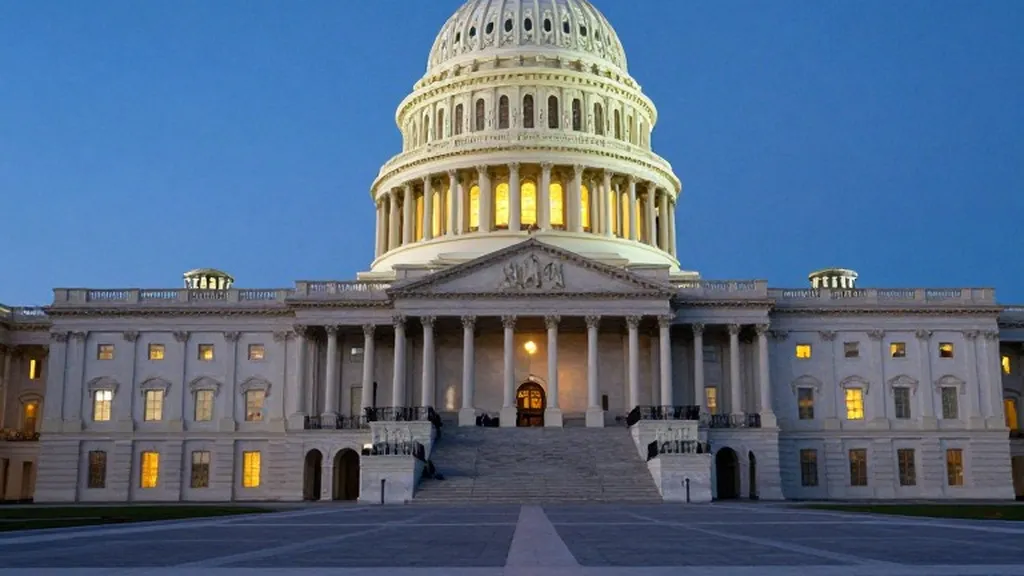
Washington, D.C. witnessed a dramatic shift in power on Tuesday, November 3, 2026, as Democrats secured majorities in both the U.S. House of Representatives and the U.S. Senate. The results mark a significant reversal for the party, which had previously lost ground in recent cycles, and they signal a new dynamic in the relationship between the executive and legislative branches. According to election data compiled by Ballotpedia, Democrats now hold at least a 250 to 157 majority in the House. In the Senate, the party has claimed a 54 to 44 majority, having flipped seven seats that were previously held by Republicans. This outcome ends years of Republican control in the upper chamber and places the opposition party in a position to set the legislative agenda for the coming two years.
The scale of the Democratic victory in the House was particularly striking. The party gained at least 41 seats, a net change that far exceeded the threshold needed to win a majority. In the Senate, the gain of seven seats was a decisive blow to the Republican establishment, particularly given that Democrats had needed to flip only four seats to take control. The election results also reshaped state governments across the country. Democrats won a plurality of state government trifectas and a majority of governorships for the first time since before the 2010 elections. In total, Democrats captured 22 of the 36 gubernatorial races on the ballot, while Republicans won 12. Five states changed party control in their governor's offices, all shifting from Republican to Democratic hands.
President Donald Trump responded to the results with a combative stance, signaling that the coming years would be defined by conflict. In a statement released on social media, Trump described the investigative requests already made by Democratic lawmakers as extortion at the highest level. He said that those making such demands should be held accountable. Attorney General Todd Blanche echoed this sentiment, noting that criminal investigations of Democrats are possible. Blanche stated that members of Congress are not allowed to threaten existing members of the administration or companies. This rhetoric sets the tone for a potential showdown between the White House and the new congressional leadership, a dynamic that many analysts believe will test the limits of congressional power to check the presidency.
Democratic leaders have already begun outlining their strategy for the new Congress. Representative Robert Garcia, who is poised to chair the House Oversight Committee, said that the days of Democrats not fighting back are over. He described the party's agenda as a focus on holding what he called the Trump crime family accountable. House leader Hakeem Jeffries, who is expected to become the first Black speaker of the House, said that Democrats are ready to work with the other side whenever possible to deliver real results. However, Jeffries also expressed skepticism about working with Stephen Miller, whom Trump appointed as his new chief of staff. Jeffries called the appointment an awful choice and said Democrats would forcefully push back against the extremism Miller represents.
Not all Democrats are unified on the approach to the new Congress. Some lawmakers are warning that the party must prioritize lowering the cost of living, the central promise that drove voters to the polls. Senator-elect Adam Hamilton, the first Democrat elected to the Senate from Kansas in 94 years, expressed skepticism about impeachment. He said his campaign was about bringing people together and that he does not want the next two years to be spent dividing the country further. Hamilton stated that he is more interested in setting up guardrails than pursuing impeachment. Senator Bernie Sanders, a Vermont independent who caucuses with Democrats, agreed that time is limited. He said that while holding Trump accountable is important, the party must also stand up for working-class families and make a real difference in their lives.
The election also brought a wave of historic firsts to the federal government. Peggy Flanagan became the first Native American woman elected to the U.S. Senate. She is a citizen of the White Earth Nation and the outgoing lieutenant governor of Minnesota. Flanagan credited Native women for her victory, saying she could not exist in the way she does without them. In New Mexico, Deb Haaland won the governorship, becoming the first Native American woman to lead a U.S. state. Haaland, a citizen of the Laguna Pueblo, said the victory was a long time coming. She traced her ancestry in the state back 800 years. In the House, Claire Valdez and Sean McCann became the first Native Americans elected to represent New York and Michigan, respectively. These milestones mark a significant shift in the representation of Indigenous peoples in the highest levels of American government.
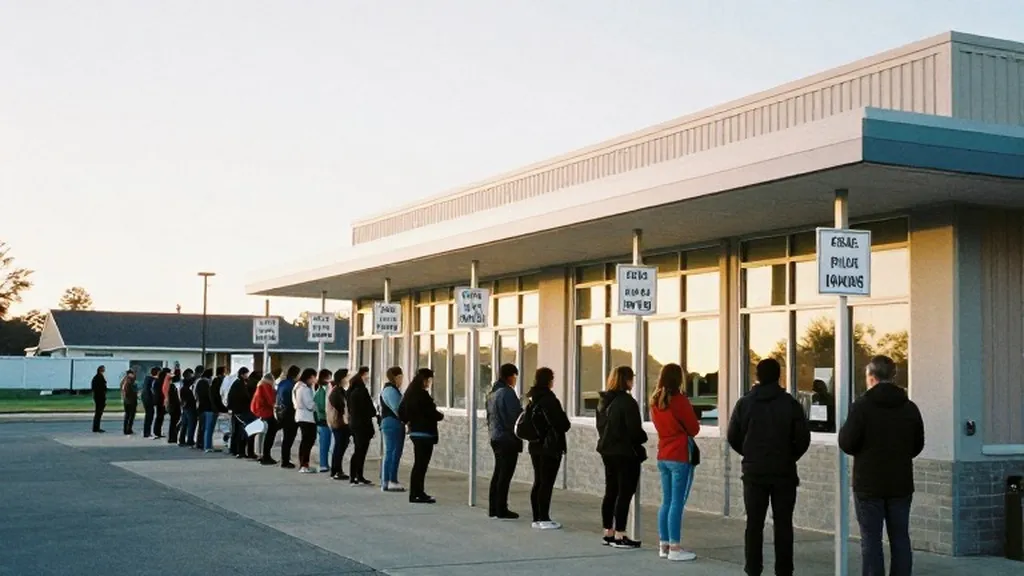
Voters cast their ballots with a clear focus on the economy and the direction of the country. The AP Voter Poll found that the electorate was deeply unhappy with the nation's trajectory, with about three-quarters of voters saying they feel angry or dissatisfied. The economy was a central issue, with three-quarters of voters rating it as not so good or poor. About eight in ten said inflation had caused financial hardship for their households. Government corruption was also a key concern, with roughly half of voters citing it as crucial to their decision. These sentiments drove a high turnout, with more than 59 million people casting ballots before Election Day. The results reflect a electorate that is frustrated with the status quo and is demanding change from its elected officials.