Markets Brace for New Policy Shifts After Midterm Wave
Investors weigh the impact of a Democratic congressional majority on AI spending, trade restrictions, and national debt limits.
By Christopher Singh ·
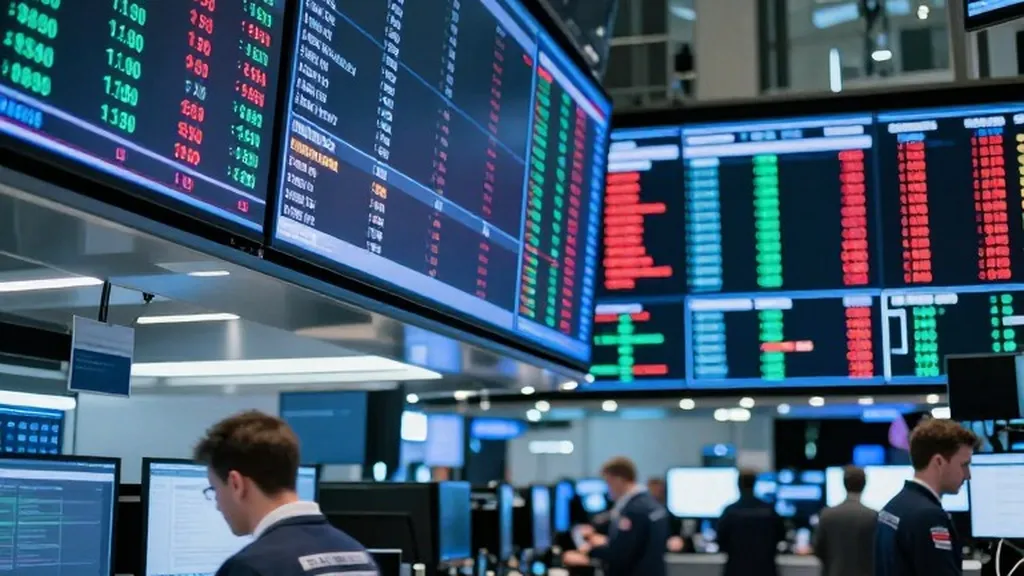
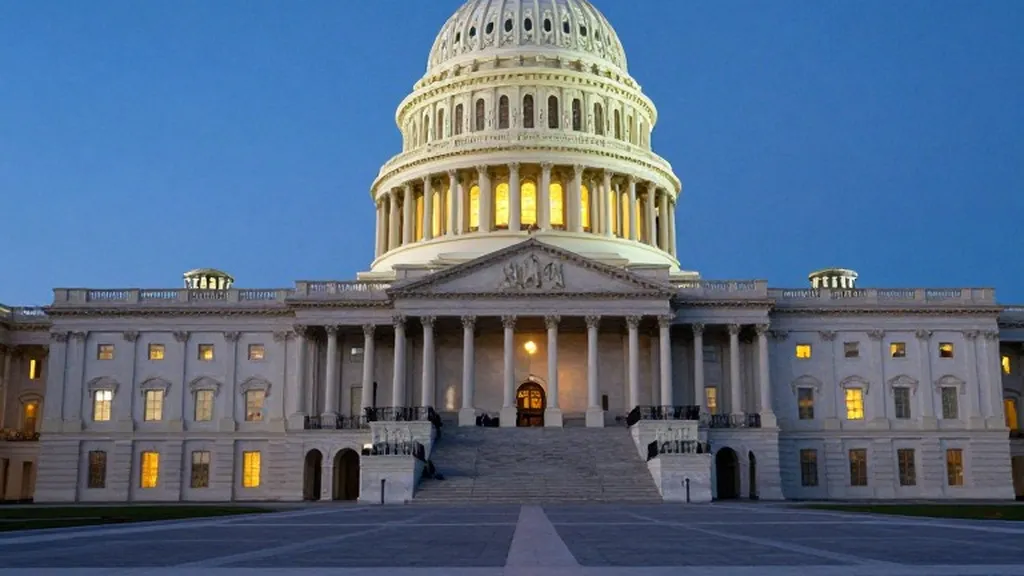
Global markets are closely monitoring the political shifts following the midterm elections, where Democrats secured majorities in both the U.S. House and Senate. The results indicate a net loss of at least seven Senate seats and 42 House seats for Republicans, a significant swing that places the opposing party in control of legislative proceedings. This change in power dynamics has immediate implications for sectors ranging from artificial intelligence to international trade, as investors anticipate changes in regulatory oversight and fiscal policy.
The artificial intelligence sector faces particular scrutiny due to ongoing investigations into major tech firms. President Donald Trump stated that the FBI is looking into an affair involving Nvidia CEO Jensen Huang and a woman alleged to be a Chinese government agent. This development has raised concerns about whether China has accessed cutting-edge chip designs that power AI development. Nvidia shares dropped roughly 5 percent in pre-market trading early Monday as the news broke, reflecting market anxiety over the geopolitical stakes involved in the industry.
China has denied the espionage allegations, with Ministry of Foreign Affairs spokesperson Guo Jiakun calling the claims unsubstantiated and a smear campaign against Beijing. Meanwhile, Nvidia is conducting an independent investigation into whether Huang was the target of a foreign intelligence effort. The company noted in a regulatory filing in August that it has sold only a small amount of chips to China, as sales are restricted by the Chinese government. These restrictions have historically targeted U.S. regulators seeking to limit Beijing's access to advanced technology.
The new Democratic majority in Congress is expected to influence how the U.S. engages with China on trade and technology issues. Democrats have signaled plans to use oversight and appropriations powers to push back against administration decisions that have affected schools and universities, potentially extending to broader tech and trade policies. Rep. Bobby Scott of Virginia, who will lead the House Committee on Education and the Workforce, indicated he plans to leave no rock unturned in exploring the administration's policies, including its oversight of federal student loans and anti-discrimination efforts.
Fiscal policy, particularly regarding the national debt ceiling, may also see changes under the new congressional leadership. With Democrats holding majorities in both chambers, there is potential for legislative countermeasures to executive actions, although President Trump has threatened to use his veto power. Sen. Chris Van Hollen of Maryland suggested that the power of the purse could be used to establish guard rails and prevent abusive practices, a strategy that could affect how federal spending is prioritized across various sectors, including defense and technology.
The defense sector is also under the spotlight following Rep. Thomas Massie's move to force a vote on impeaching Defense Secretary Pete Hegseth. Massie, a Kentucky Republican, argued that the secretary's actions in the Iran war and other military operations amount to high crimes and misdemeanors. House Speaker Mike Johnson warned against impeaching a Cabinet secretary during active hostilities, citing concerns about how it would look to allies and enemies. A vote in the House could come by mid-week, adding to the political uncertainty that markets are currently navigating.
International allies are watching these domestic developments with interest, particularly as the U.S. prepares for diplomatic engagements. President Trump is slated to meet with Chinese leader Xi Jinping in Shenzhen, China, at the Asia-Pacific Economic Cooperation summit next week. While Trump was noncommittal about bringing up the Nvidia situation with Xi, the meeting represents a key opportunity to address trade and technological competition. The outcome of these discussions could have significant effects on global supply chains and the pricing of critical components used in AI and other high-tech industries.
The election results also highlight a broader shift in state-level power, with Democrats winning a majority of governorships for the first time since before the 2010 elections. This trifecta of control at the state and federal levels could lead to a more coordinated approach to policy implementation, affecting areas such as energy, infrastructure, and education. For investors, this means a potentially more stable legislative environment, though the initial period may be marked by turbulence as the new Congress asserts its authority over executive branch decisions.
The market's reaction to these political changes will likely be gradual, as investors assess the specific policies that Democrats intend to pursue. The combination of increased oversight in the tech sector, potential changes in trade relations with China, and a new approach to fiscal management creates a complex landscape for global finance. Companies in the AI space, in particular, will need to navigate both the opportunities for growth and the risks associated with heightened geopolitical scrutiny and regulatory attention.
As the new Congress convenes, the focus will turn to how quickly legislative priorities can be advanced. The ability to pass significant bills will depend on the balance of power and the willingness of the executive branch to cooperate or resist. For now, the market is in a period of adjustment, with investors positioning themselves for a potential shift in the direction of U.S. economic policy. The coming weeks will provide further clarity on the extent of these changes and their impact on global economic stability.