Brazil voters face choice between factory past and service future
Record abstention and economic shifts in cities like Osasco are altering the political balance in Sunday's presidential runoff.
By Christopher Singh ·
Brazilian voters head to the polls on Sunday for a presidential runoff, a contest shaped by a structural shift in the economy. The race pits incumbent President Luiz Inácio Lula da Silva against right-wing candidate Flávio Bolsonaro. The outcome hinges on whether voters support the status quo or a break from the current administration.
In the first round of voting held earlier this month, Bolsonaro secured a national victory. He is the first candidate to win the initial ballot since 1989. Historical data shows that every first-round winner since that year has proceeded to become president. However, the path to the final vote was marked by high abstention. Thirty-three million Brazilians did not cast a ballot, a figure representing the highest level of non-participation since 1998.
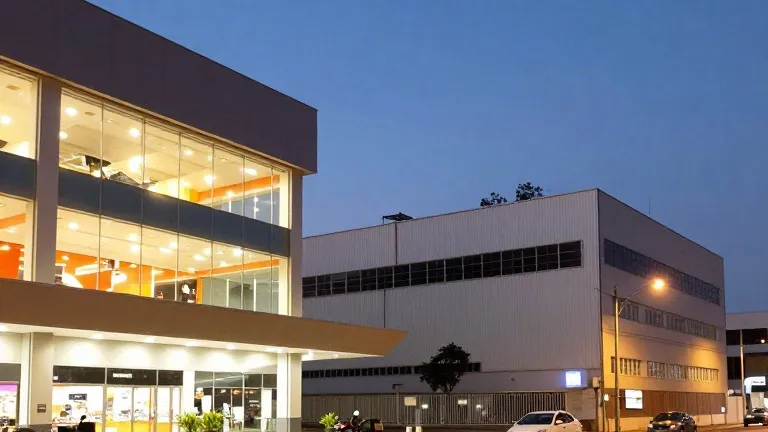
The economic transformation is most visible in Osasco, a municipality in the São Paulo region. Once a hub for heavy industry, the city is now known for its concentration of technology firms and retail centers. Gilberto Almazan, who leads a local metalworkers' union, describes the physical changes to the landscape. He notes that metal, chemical, and textile factories have vanished, replaced by five new shopping malls. Almazan characterizes the traditional union movement that supported Lula's rise as outdated.
Many workers in Osasco and other cities now operate in the gig economy as drivers, couriers, or small traders. Almazan refers to this trend as Uber-ization. He argues that these workers prioritize schedule flexibility over the collective welfare protections traditionally associated with Lula's platform. Richard Lapper, a biographer of both main candidates, describes Brazil as a nation that industrialized late and deindustrialized early. He calls Lula a victim of his own success, suggesting that his base has shifted beneath him.
Economic indicators under Lula's current term show a mixed picture. Unemployment has reached a record low, and Brazil was removed from the United Nations Hunger Map. Despite these metrics, Lapper identifies a crisis of expectations. Citizens report feeling the pressure of high prices, household debt, and interest rates, even if objective measures suggest improved conditions. Robson, a 53-year-old civil servant who previously supported Lula, cites government mismanagement and heavy taxation as reasons for his dissatisfaction.
Individual voters reflect these mixed sentiments. Tairine, a hot dog seller who previously abstained from voting, plans to support Bolsonaro this time. She states that she perceives no change since Lula returned to office. Gisele Bonfim, a lawyer who voted for Lula in 2022, says she now supports Bolsonaro because he offers the hope of change. Flávio Bolsonaro has proposed reducing government spending, eliminating ministries, and cutting certain taxes. He says he will retain some of Lula's key welfare programs. He has denied recent corruption accusations.
Lula's campaign is working to counter the narrative of stagnation. Organizers have mobilized hundreds of thousands of people for street rallies, with particular emphasis on attracting students. The campaign claims that one rally in São Paulo drew approximately one million attendees. Aerial footage of these gatherings has circulated widely online. Lula, who is 80 years old, has used social media to address concerns about his age. He describes himself as the king of selfies to rebut claims that he is past his prime.
The vote remains strong among the poorest segments of the population. In the Maré favela in Rio de Janeiro, abstention rates were above the national average, but Lula still won the local vote. Vitoria, an 18-year-old mother earning less than 300 pounds per month, supports Lula due to his minimum wage increases, additional worker days off, and free essential medicines. She expresses skepticism about Bolsonaro's plan to designate the Comando Vermelho gang as a terrorist organization. She fears police raids similar to those in Rio last year, which killed more than 130 people.
Religious institutions are playing a growing role in voter engagement. Evangelical churches, attended by about a quarter of Brazilians, are providing childcare, employment advice, and food to fill community gaps. Pastor Silas Malafaia, who is currently investigated for allegedly obstructing the coup trial of Jair Bolsonaro, supports Flávio Bolsonaro. He cites shared values on family and opposition to abortion. Malafaia describes the probe into his conduct as politically motivated.