Lula Secures Fourth Presidency as Flávio Bolsonaro Defies Concession
The incumbent won the runoff by 4.3 million votes, reversing a first-round deficit despite a record abstention rate and digital shifts.
By Christopher Singh ·

Brazilian voters chose Luiz Inácio Lula da Silva for a fourth term on Sunday, a result that shifts executive power back to the center-left after a tight contest. The outcome leaves the country under new leadership while the former president's son challenges the finality of the count. Lula will assume his new role as the nation navigates a divided Congress and complex international relations.
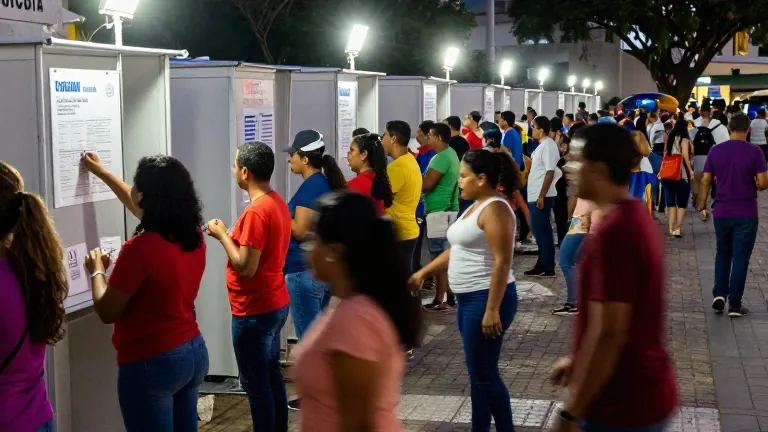
Lula received 51.79% of the vote, defeating Senator Flávio Bolsonaro, who secured 48.21%. The margin amounted to approximately 4.3 million votes out of 159 million cast. Officials declared the results shortly after midnight UK time on October 26, 2026. Lula characterized the victory as a defeat for denialism, marking the end of a campaign that remained close until the final hours of voting.
The result overturned the dynamics of the first round held earlier in the month. In that initial ballot, Flávio Bolsonaro led with 56.1 million votes compared to Lula’s 53.8 million. A record 21% abstention rate characterized the first round, a trend more prevalent among lower-income voters who traditionally support Lula. Progressive groups subsequently organized efforts to mobilize these voters, including a WhatsApp channel that distributed daily instructions for creating supportive digital content.
Digital strategy played a central role in the reversal. Lula, who recently acquired his first smartphone, increased his activity on Instagram and TikTok. His digital reach surpassed that of the Bolsonaro campaign for the first time. The opposing campaign faced internal challenges, including a report by the magazine Piauí alleging that Flávio Bolsonaro attended a party in 2020 with sex workers and vaccine lobbyists. These scandals contributed to a shift in polling data, which had previously shown the race within fractions of a percentage point.
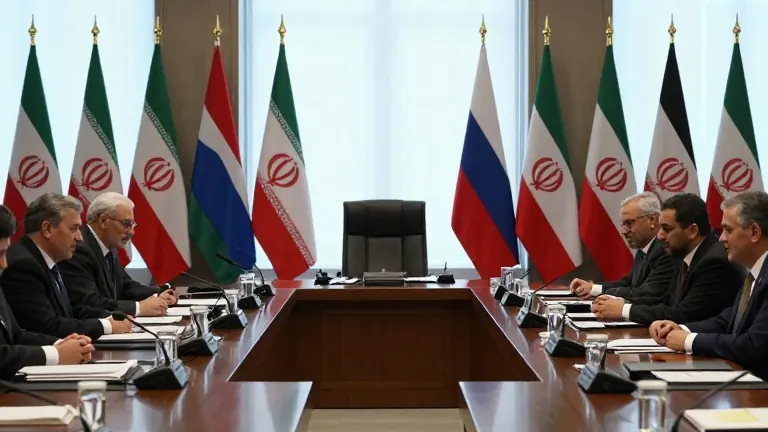
External factors and domestic concerns influenced the electorate. President Donald Trump imposed 50% tariffs on Brazilian imports and described the trial of Jair Bolsonaro as a witch-hunt. Lula positioned himself against these moves while pursuing a multilateral foreign policy that balances ties with the United States, China, and Russia. He declined an invitation to join a Latin American coalition conducting military operations against drug cartels alongside the Pentagon, focusing instead on internal economic and security issues.
The victory carries implications for environmental policy. Under Lula’s previous terms, Amazon deforestation decreased by more than 70%. His administration supported Indigenous communities and cracked down on illegal mining. However, a Guardian correspondent noted that environmental topics received limited attention during the final debate, as voters prioritized the economy and public security. Lula must now collaborate with a new Congress featuring a record number of right-wing politicians who often oppose environmental protections.
Flávio Bolsonaro has refused to concede the defeat, citing a decision to extend voting hours by two hours. He stated that it was impossible to accept the election result, although both campaigns had requested the extension for different reasons. Lula turns 81 on Tuesday, entering his final years in office with a mandate that requires navigating a fragmented political landscape.