Trusted Traveler Programs: Weighing Global Entry and TSA PreCheck Costs
Federal agencies offer two distinct expedited screening options for 2026, with fees ranging from $76.75 to $120 and varying enrollment complexities.
By Christopher Singh ·
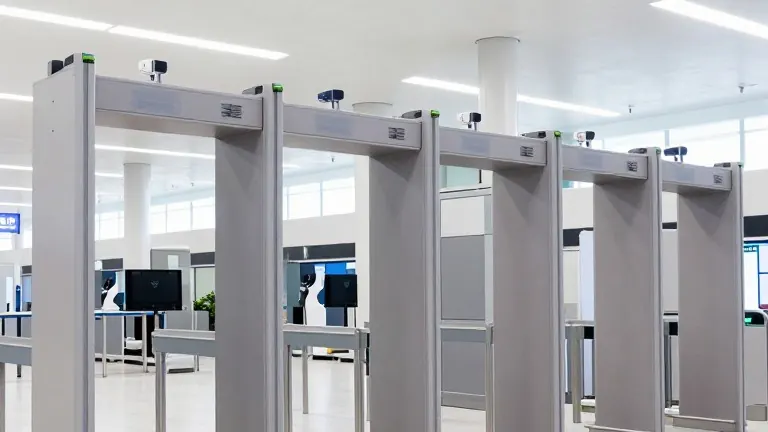
Travelers must choose between two federal expedited screening programs based on their specific flight patterns and tolerance for administrative work.
Global Entry costs $120 for a five-year membership and includes TSA PreCheck benefits. Standalone TSA PreCheck starts at $76.75 for the same period. The additional expense for Global Entry secures expedited processing upon arrival in the United States, though it requires a federal interview.
Domestic flyers typically find TSA PreCheck sufficient. Individuals traveling regularly between states like Maryland, Florida, and California generally do not need the international benefits. Those returning frequently from Europe, Mexico, or the Caribbean have a stronger financial case for Global Entry.
U.S. Customs and Border Protection administers Global Entry. It serves low-risk travelers entering the country through participating facilities. The application fee is nonrefundable, even if the applicant is rejected. Eligibility extends to U.S. citizens, lawful permanent residents, and nationals from Germany, Japan, South Korea, and the United Kingdom.
Since October 2024, eligible children under 18 may enroll in Global Entry without a fee. A parent or legal guardian must already be applying for or participating in a qualifying program. Each child still requires an individual application and interview. Parents cannot simply bring unregistered children through the processing lanes.
The Transportation Security Administration administers TSA PreCheck. It provides expedited security screening at U.S. airports. Members keep shoes, belts, and light jackets on during standard screening. Laptops and compliant liquids usually remain inside carry-on bags. Enrollment is handled by IDEMIA, Telos, or CLEAR.
Most approved TSA PreCheck applicants receive their Known Traveler Number within three to five days. Some applications take up to 60 days. Applicants must be U.S. citizens, nationals, or lawful permanent residents. The process involves online registration and a short in-person appointment for identity verification and fingerprinting.
Global Entry enrollment is less predictable. Applicants must complete background screening and obtain conditional approval before scheduling an interview. Some applications require additional review lasting several months. Criminal history, pending charges, and immigration violations can affect approval. TSA PreCheck offers a faster route for travelers with immediate departure dates.
Benefits depend on airport participation and airline eligibility. Neither program eliminates all security checks or immigration requirements. Families note that children 12 and younger may accompany an eligible adult through TSA PreCheck screening. Travelers aged 13 to 17 generally need the TSA PreCheck indicator on their boarding passes.
Applicants should use the official Department of Homeland Security Trusted Traveler Programs portal for Global Entry. TSA PreCheck information is available through the official TSA website. Commercial intermediaries charging for guaranteed approval are unnecessary. Travelers must update their airline reservations with their Known Traveler Number to see expedited screening privileges on their boarding passes.
More Business · Bad Service · Report a business · Got a Story?