Hopkins Alerts Criticized for Delays
A student editorial board lists specific incidents where public safety notifications arrived hours late or lacked key identifying details.
By Christopher Singh ·
The Editorial Board of The News-Letter argues that Johns Hopkins University public safety alerts are failing students by arriving too late and providing insufficient detail. The group published a critique on Oct. 30, citing specific examples from the past two years where communication gaps left residents uncertain about threats.
Under the Jeanne Clery Campus Safety Act, the university must issue timely warnings for serious or ongoing threats. The board acknowledges that Hopkins legally complies with location and timing requirements. However, it contends that consistency in reporting standards is lacking, forcing students to question the accuracy of the information they receive.
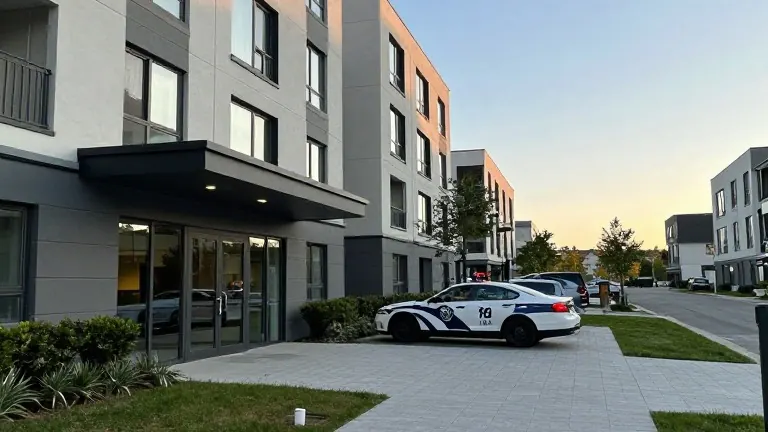
The most recent example involves an incident at The Academy housing building on Sept. 25. An email went out at 6:43 p.m. stating a potentially armed man had attempted to enter. A resident reported seeing the man inside as early as 2:40 p.m., and social media posts warned of an armed suspect hours before the official alert circulated. The advisory did not confirm whether the man actually possessed a weapon.
Delays are not limited to recent events. On July 11, 2026, an affiliate reported being threatened with physical violence near the 3200 block of St. Paul Street around 5:30 p.m. The "Assault by Threat" advisory did not go out until 9:06 a.m. the following day, a gap of more than 15 hours.
The board also criticizes the clarity of alert content. An Oct. 4 email regarding an incident in the 100 block of West 39th Street described a male suspect as 60 years old and a female suspect as 30 years old, with no further description. Another alert from Oct. 14 identified a suspect as a male, 5 feet 8 inches tall, wearing a black hoodie and pants, but did not indicate where the suspect might have gone after a joint search by campus and city police failed to locate him.
Location details can also be confusing. A Sept. 25, 2025, alert regarding a struck affiliate used the phrase "area of St Paul and 34 Street." The board notes this location is better recognized as the block between McCoy and Wolman Hall, a distinction that requires a map to decode for a student checking a phone notification.
Some incidents receive no alert at all. During Family Weekend in Fall 2025, multiple sources informed The News-Letter that a female broke into AMR II. A resident described her as potentially intoxicated and wearing paper towels as shoes. The university did not send a communication to the student body about the event, though resident advisors told students to lock doors. The university declined to comment on the account.
The board compares Hopkins to peer institutions like MIT, UC Berkeley, and Stanford. MIT includes photos of suspects, while Berkeley provides legal definitions of crimes. Stanford includes race in its alerts, a detail Hopkins currently omits. The group urges Hopkins to adopt these practices to improve the actionability of safety information.