Kabul musicians earn $1.50 a day hiding instruments from Taliban
Since 2022, the ban on non-religious music has forced performers into secrecy and poverty, with some losing up to 99% of their former income.
By Kevin Iyer ·
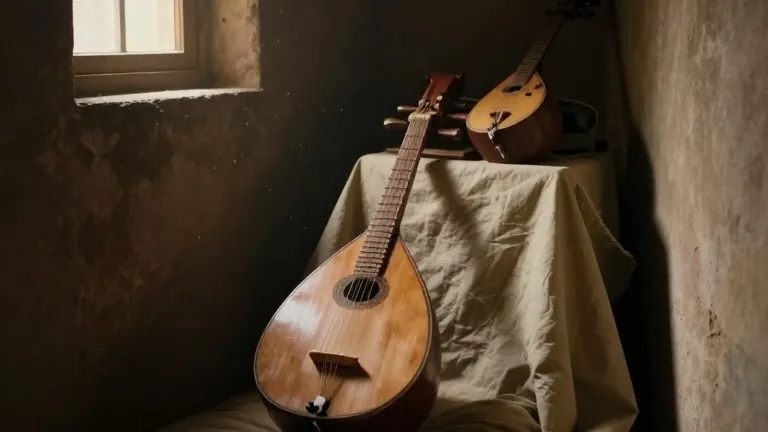
In a narrow alley in Kabul, a musician cradles a hand-carved wooden rubab in his lap. The traditional lute-like instrument has passed through three generations of his family. He plays it in the privacy of his small home, where the warm sound fills the room. He has not played publicly in four years. For him and other performers in the Afghan capital, music has become a secret act of defiance against a strict ban.
The Taliban banned all music except unaccompanied religious chanting in 2022. The Ministry for the Propagation of Virtue and Prevention of Vice enforces the rule with morality police. Ministry spokesperson Saif ul Islam Khyber stated that music is forbidden in Islam because it serves as a means of joy to Satan. He added that no one is permitted to listen to music or record songs.
The neighborhood of Kucha-e-Kharabat, once known as the music district of Kabul, has changed. Shops that once sold instruments now stock food, clothes, and household goods. Many musicians fled the country after the 2021 takeover. Those who stayed hid their instruments to protect them from being smashed by authorities.
The financial impact on those who remained has been severe. The rubab player previously taught music and owned an instrument shop. He earned about 10,000 afghanis, or $150, per day. Now he works as a manual laborer and makes roughly 100 afghanis, or $1.50, a day. He supports a wife and children on that income. His father, who also ran the business, died of a heart attack shortly after the shop closed. The musician believes the loss broke his father.
A singer in another part of Kabul describes a similar struggle. He spent two years unemployed before friends helped him start a small business. He now hides a rubab, harmonium, flute, tabla, and keyboard under a tarp in his home. He said the day he covered the instruments felt like being buried alive. He sometimes stands before them and weeps, begging for forgiveness for not playing.
Secret performances used to be common. The singer performed at underground gatherings until 2022. He stopped because government agents began actively searching for musicians. He said the risk of arrest is too high, especially with young children at home. The rubab player also stopped performing in secret after a gathering was raided. A participant sent photos to the authorities, and police arrested many attendees. The musician escaped, but he has not played in a group since.
Both performers spoke on condition of anonymity due to fear of arrest. The singer said he will continue to sing in his dreams if he cannot do so openly. The rubab player said he will teach his eldest son to play. He wants the heritage to pass from him to the next generation so the tradition continues.
The singer described the connection between music and Afghan identity as inseparable as a fingernail from flesh. He believes the ban cannot erase the art form from the hearts of the people. For now, the instruments remain hidden, covered by tarps, waiting for a time when they might be heard again.