Firefighters Sue Manufacturers Over Toxic Gear
A consolidated class action seeks to make chemical producers pay for the billions in replacement costs of PFAS-laden protective equipment.
By Christopher Singh ·
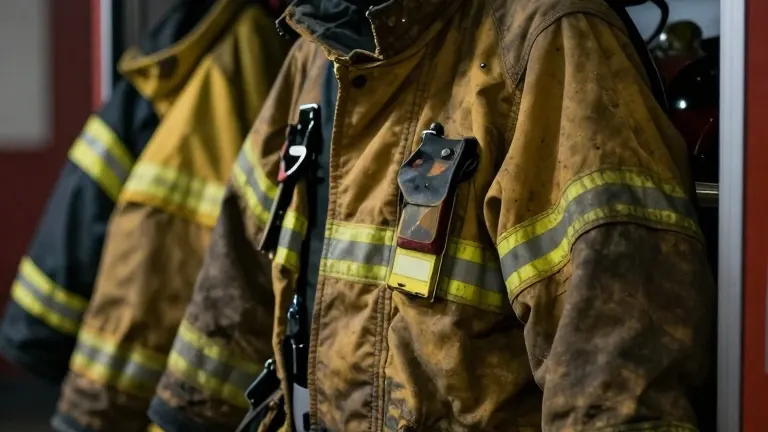
Firefighters across the United States are facing a financial and health dilemma over their protective equipment. Many departments still issue turnout gear containing per- and polyfluoroalkyl substances, commonly known as PFAS. These chemicals are designed to resist heat and fire, but court documents indicate manufacturers knew for decades that they are toxic. Now, a growing number of unions and municipalities are suing to force those companies to cover the cost of replacing the gear.
The conflict centers on who pays for the switch to PFAS-free equipment. A baseline set of pants and jacket can cost up to $3,000. When adding helmets and gloves, the total per member ranges from $5,000 to $8,000. For a department with 200 members, the expense becomes a massive burden for local budgets. Chris Albani, a Connecticut fire union representative, noted that many towns and cities simply cannot afford the replacement costs. Consequently, hundreds of thousands of firefighters continue to wear equipment that exposes them to potential cancer-linked chemicals.
The push for replacement was intensified by a 2020 study from Notre Dame University. That research confirmed high levels of PFAS in both new and used turnout gear. The study found that the chemicals could leach from the fabric and soak into the skin of first responders. Albani, who has 15 years of service, said the unknown nature of the risk is the most frightening part. He explained that cancer is a long-term issue, meaning symptoms might not appear until a firefighter is around age 60. For many in the profession, the mindset has shifted from whether they will get sick to when they will.
Legal action is now consolidating the fight. Five separate class action lawsuits filed by various cities and towns have been merged into a single case in Minnesota. Jennifer Sclar, an attorney representing fire unions and municipalities on the East Coast, is leading the charge against more than a dozen companies. These defendants include major manufacturers like 3M and DuPont. Sclar argues that the companies understood the dangers of PFAS long before the public did. She stated that the defendants told firefighters there was nothing to worry about, even though their internal records showed otherwise.
Documents analyzed by the Environmental Working Group and cited in the suit reveal the extent of the manufacturers' knowledge. Records from the 1960s and 1970s show 3M and DuPont internally labeling PFAS as toxic. By the 1980s, both companies had started moving women of child-bearing age away from certain assignments to limit exposure. In the 1990s, their own scientists were finding links between PFAS and cancer. Ed Kelly, who leads the International Association of Fire Fighters, the nation's largest fire union, wants these companies to pay for the replacement gear. He argued that manufacturers who infused the dangerous chemical into gear for decades should be responsible for the cost.
The replacement process is complicated by a lack of trust. In 2025, the Quincy, Massachusetts fire department paid millions for new gear labeled as PFAS-free. Independent tests that same year revealed high levels of the chemicals were still present. Mayor Thomas Koch called the discovery outrageous at a press conference. The manufacturer involved said in a statement that it had eliminated PFAS from its textiles and that the chemicals were not intentionally added. This incident has led some fire chiefs to demand independent testing of any new gear to ensure it is truly free of harmful substances.
Albani now tries to avoid touching his old jackets and pants until necessary. He said the gear is poisoning members and that the industry deceived them. The lawsuit aims to end the cycle where firefighters are told their equipment is safe while the manufacturers know otherwise. The consolidated case in Minnesota will determine whether the producers must foot the bill for the nationwide upgrade.
The next step in the legal process involves further discovery and potential settlement negotiations in the consolidated Minnesota case. Fire departments continue to survey their current inventory while waiting for the court's ruling. Until then, many first responders are left in a state of limbo, wearing the old gear while the legal battle over its cost unfolds.