Democrats seize control of Congress as voters reject Trump's policies
Voters turned to Democrats in a decisive shift that reverses Republican majorities in both chambers of the federal government.
By Marco Kapoor ·
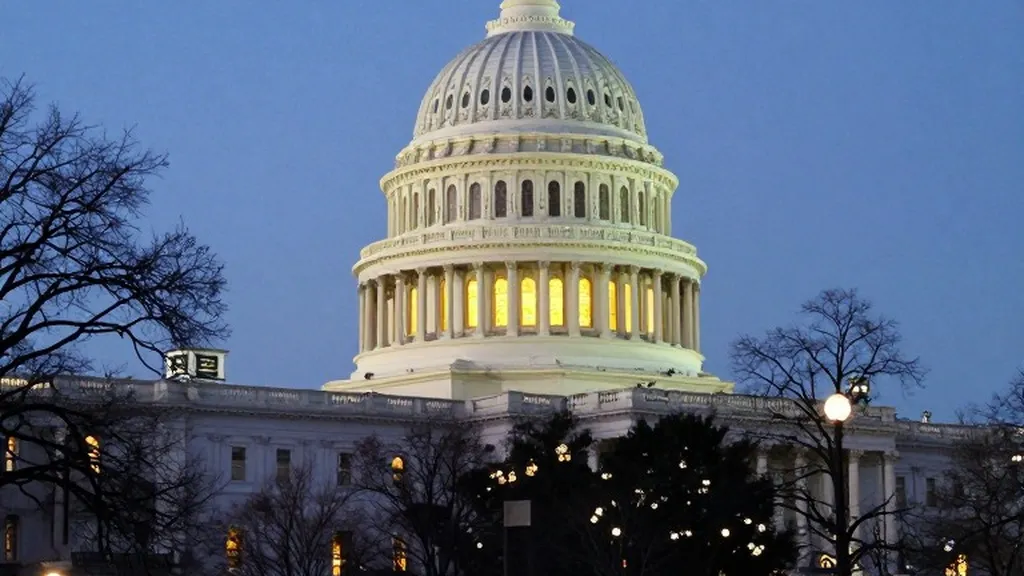
The results of the 2026 midterm elections are in, and they signal a dramatic change in the balance of power in Washington. Democrats have won control of both the U.S. House of Representatives and the U.S. Senate, ending the Republican majorities that existed before Tuesday's vote. This outcome serves as a clear referendum on President Donald Trump's second term, with voters expressing dissatisfaction through their ballots.
In the U.S. House of Representatives, the shift was particularly stark. Democrats won 238 seats compared to 146 for Republicans, a net gain of 33 seats. Prior to the election, Republicans held a 220 to 215 majority. The new Democratic majority means that the party led by Rep. Hakeem Jeffries will control the legislative agenda for the next two years. This gives Democrats the power to advance legislation and ramp up congressional oversight of the executive branch.
The U.S. Senate saw a similar reversal. Democrats won 20 of the 35 seats up for election, while Republicans won 13. This net gain of seven seats allows Democrats to claim a majority in the upper chamber. The change in control is significant because the Senate holds the power to confirm judicial nominees and approve treaties. With this new majority, Democrats can more easily block or advance executive actions that they view as overreaches.
President Donald Trump addressed the results in his first public appearance after the election. He did not focus primarily on his policy agenda but instead highlighted his efforts to remake the physical landscape of the District of Columbia. He spoke about specific projects, including the renovation of the Kennedy Center and the construction of a new White House ballroom. These projects have been central to his administration's identity and are now likely to face increased scrutiny from the new Democratic Congress.
The new Democratic leadership in Congress has already signaled its intent to use its increased power. Rep. Jared Huffman of California, who is expected to lead the Natural Resources Committee, stated that the committee will leverage its full investigative and oversight authority. He emphasized the need to uncover wrongdoing and demand accountability, particularly regarding federal lands and parks. This stance contrasts with the previous period of Republican control, where fewer checks were placed on executive projects.
One of the immediate points of contention is the proposed memorial arch in Memorial Circle. The National Capital Planning Commission gave the project its final approval, but a federal judge has temporarily blocked the administration from breaking ground. With Democrats now controlling the appropriations process, which begins on January 3, they have a new tool to influence the project's funding. Rep. Don Beyer of Virginia, who has been a vocal critic of the arch, noted that the new majority will pull back the balance of power.
The election results were driven by several key issues for voters. According to exit polls, high prices and the cost of living were top concerns. The war in Iran, which has been ongoing for eight months, also played a significant role in shaping voter sentiment. Many voters cited government corruption as a crucial factor in their decision to support Democratic candidates. This sentiment was evident in the high turnout, with more than 59 million people casting ballots before Tuesday.
The shift in control extends beyond the federal level. Democrats also gained ground in gubernatorial races, winning 22 of the 36 offices up for election. This gives them a majority of governorships nationwide, a position they have not held since 2010. In addition, Democrats won control of more state legislative chambers, including in Arizona and New Hampshire. These state-level victories provide Democrats with additional leverage as they work to check executive power at both the state and federal levels.
For the American public, the new congressional control means that the legislative branch will play a more active role in checking the executive branch. Democrats have promised to focus on issues such as healthcare, infrastructure, and environmental responsibility. They have also indicated that they will use their investigative powers to look into the Trump family's business deals. This approach reflects a broader strategy to hold the administration accountable for its actions and policies.
The transition of power will be formalized on January 3, 2027, when the newly elected members of Congress take their seats. Until then, the current Republican leadership will remain in place, but the incoming Democrats are already preparing their legislative calendar. The coming months will test the ability of the new Democratic majority to work with a Republican president and to implement their vision for the country. The results of this election suggest that voters are demanding a more assertive role for Congress in shaping the nation's future.