Trump faces historic midterm test as approval drops
Polling shows a weak showing for the president's party, while internal divisions and questions about election integrity loom over Tuesday's vote.
By Marco Kapoor ·
Voters in Tuesday's midterm elections face a choice that reflects deep uncertainty about the direction of the country. The contest is not merely about seats in Congress, but about the standing of the incumbent president and the stability of the electoral system itself. With approval ratings falling and the party of the second-term president facing historical headwinds, the outcome will define the next phase of American politics.
President Donald Trump's political team has focused on limiting losses in a difficult environment. Polls suggest the Republican majority in the House will likely dissolve, a pattern that has held for nearly a century. The Senate remains too close to call, though Vice President Vance holds the tie-breaking vote if the GOP maintains its current slim edge. To protect these numbers, Trump visited Iowa and Kansas this weekend, states where his party has historically struggled. Iowa and Kansas have not elected a Democrat to the Senate since 1932, yet Trump campaigned there in person while conducting remote rallies in 19 other states.
The president's personal brand is a central factor in the expected defeats. Midterms act as referendums on current officeholders, and Trump has made the election about himself. He describes himself as the architect of a new era, a strategy that resonates with his base but alienates the larger electorate. Critics have seized on unfulfilled promises, including peace in Ukraine and lower inflation. While Trump pledged to make goods cheaper, prices remain high, and gas costs have surged. This economic disappointment has driven his average approval rating down to 37%, a level that has historically signaled brutal results for the president's party.
Democrats appear ready to challenge the current administration, though their readiness may be premature. If they win the House, their majority will be modest. A narrow Senate victory would empower maverick lawmakers over party leaders. The party also faces internal friction between consensus builders and progressive nominees. A group of candidates aligned with the Democratic Socialists of America has drawn attention from media and Republican ads, even in races where they lost primaries. Ruy Teixeira, a political demographer, argues the party must decide whether to prioritize working-class interests over its focus on social policy if it regains power.
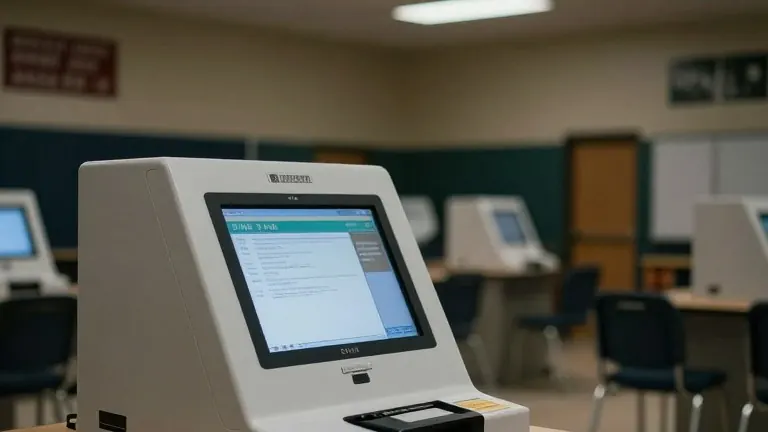
Beyond party dynamics, the election tests public trust in the voting process. Nonpartisan experts note that legislation like the Help America Vote Act has improved security and replaced outdated punch-card ballots with touch-screen technology. However, President Trump has long questioned the integrity of the system. He has called polling results and news reporting "fake" and responded to reporters by asking, "Who are you with?" He has previously urged supporters to ignore "fake polls," raising the possibility he could challenge the final results. The coming days will test whether the public maintains faith in the mechanisms that determine their government.