Tesla shifts driverless car launch to 2027 for specific zones
Owners will not get full freedom yet as the new feature only works where Tesla already runs its robotaxi service.
By Kevin Iyer ·
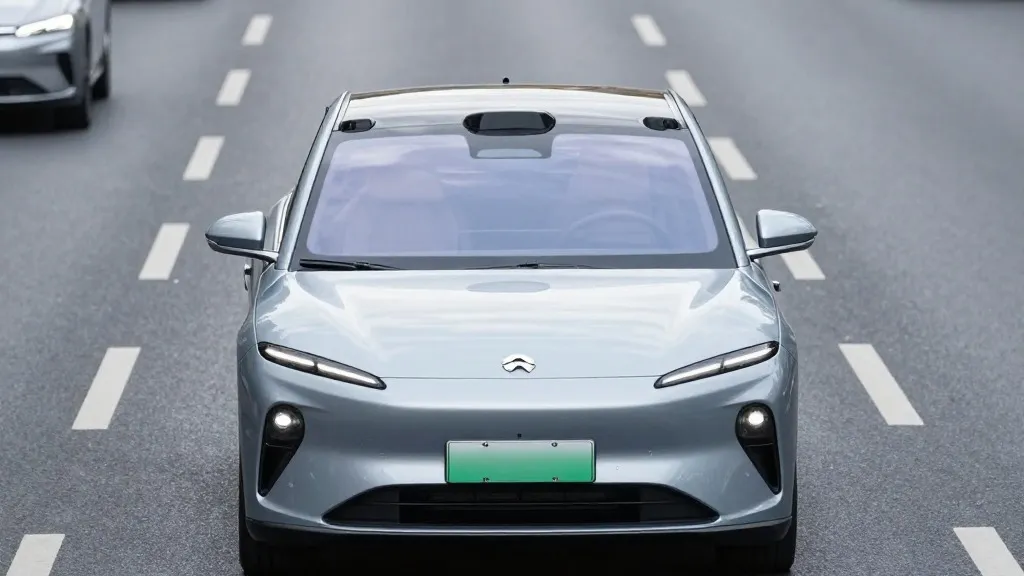
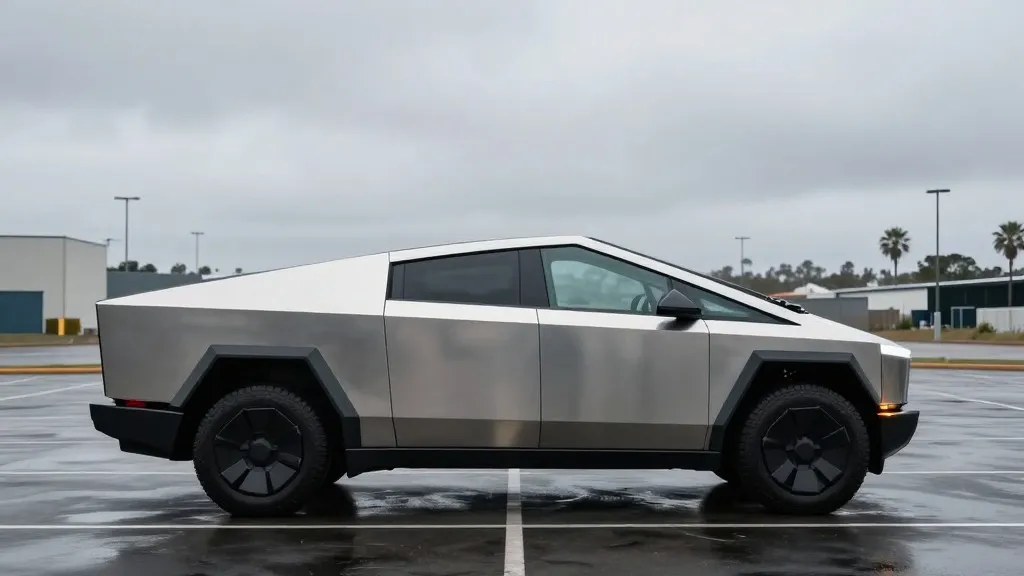
If you bought a Tesla with Full Self-Driving, your car will not drive you anywhere you want to go in the near future. The latest update means the technology will only work in specific areas where the company already operates its robotaxi fleet. This changes the expectation for owners who paid for a system that promises to take them from point A to point B without human input. The new timeline puts this capability in the second quarter of 2027. This is a significant shift from previous statements that suggested a broader rollout for personal use.
During the third-quarter earnings call in October 2026, Ashok Elluswamy, the head of AI at Tesla, provided these details. He clarified that the initial step involves adding customer vehicles to the managed robotaxi network. This means the car operates under Tesla’s supervision rather than as an independent personal vehicle. The feature is not a simple software update that lets users sleep in the back seat. It is a limited expansion of the current robotaxi service to include more cars on the road.
The question of when driverless technology would arrive for private owners was a top concern for investors. One specific question regarding unsupervised Full Self-Driving was backed by 1.1 million shares. This level of interest highlighted how much shareholders are watching this development. The answer provided on the call set a clear boundary for the first phase of deployment. It confirms that the technology is still in a testing and expansion phase rather than a final consumer product stage.
The areas where this will work are currently small. Tesla’s robotaxi service is active in six US metro areas. In cities like Miami, the service covers specific districts such as West Miami and parts of Doral. Orlando and Tampa also have small designated zones that launched in July 2026. These zones are designed to avoid complex traffic scenarios. The cars stick to low-speed routes and generally stay off highways. This limits the practical use of the feature for many owners who live outside these specific boundaries.
There are also regulatory hurdles in some regions. In the Bay Area, the cars are not fully unsupervised. California rules require a safety driver because Tesla has not released the necessary data to the state DMV for higher levels of autonomy. This creates a patchwork of where the technology can actually be used without a human in the loop. The company is still working to meet these state requirements while expanding its service area.
The fleet size is also a factor in the rollout. Tesla reported nearly two million cumulative unsupervised miles by the end of the third quarter. This milestone occurred one month after the Cybercab joined the fleet in Austin. However, the number of driverless cars on the road remains in the dozens. This is far fewer than the hundreds of thousands that had been discussed in past projections. Competitors like Waymo are already operating in the same cities with a larger mileage count.
This new plan differs from the long-standing sales pitch to customers. For years, the promise was that a software update would eventually allow the car to drive itself anywhere. In July 2025, Elon Musk stated that unsupervised driving would be available for personal use in certain areas by the end of that year. A year before that, he expressed confidence that the technology would be ready within twelve months. Owners with older hardware have already been told their computers cannot support the full unsupervised mode, adding to the confusion about the final product.
The target date is now the second quarter of 2027. The product definition is narrower than before. Your car joins Tesla’s fleet and operates within Tesla’s zones. This means no long highway trips and no cross-town commutes unless both locations fall within the designated area. The feature is a step forward, but it is not the full realization of the original promise. Owners should expect a more limited experience than they were initially led to believe.
The company cites safety as the main bottleneck for a faster rollout. Elluswamy noted that the team is working to resolve safety issues that currently limit the cars to low-speed environments. He estimates these problems will be fixed by next year, but he acknowledged that the timeline is a guess. There is no guarantee that the technology will be perfect when it arrives. The focus is on getting the system stable within the controlled zones before expanding further.
For now, the next step is the expansion of the robotaxi zones and the integration of more owner vehicles into the system. This will likely happen gradually over the next year. Shareholders and customers will be watching for updates on the specific cities included in the rollout. The second quarter of 2027 remains the official target date for the initial release of this unsupervised mode for customer-owned cars.
More Business · Bad Service · Report a business · Got a Story?