Southold proposes cap on short-term rentals at 1% of homes
The plan would limit short-term rental permits to 120 units in the Long Island hamlet, cutting the current market by 80 percent and distributing licenses via lottery.
By Kevin Iyer ·
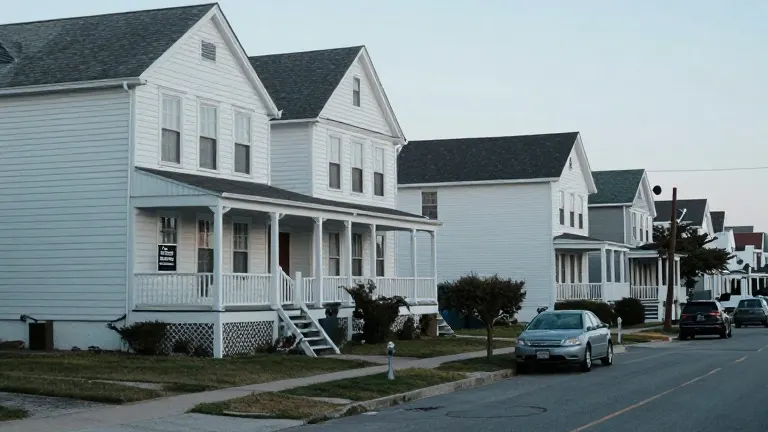
Long Island’s East End has long relied on seasonal tourism to sustain local economies, but growing friction between residents and vacationers has pushed officials to consider strict new limits. Southold, located at the eastern tip of the region, is now weighing a proposal that would cap short-term rentals at just 1 percent of its housing stock.
Under the draft plan, the town would issue no more than 120 permits for short-term stays, a category that includes listings on platforms like Airbnb. This figure represents a dramatic reduction from the current market size, which stands at approximately 640 active short-term rental properties. The proposal would therefore eliminate nearly 80 percent of existing vacation homes from legal operation.
Ben Johnson, the town’s municipal attorney, stated that the difficulty in regulating the current market has driven the need for change. He noted that many complaints stem from residents feeling they have a revolving door of strangers living next to them. “We understand this is a seasonal economy,” Johnson said, “but most of the complaints we receive come from people who feel they have a revolving door next to their house.”
The financial stakes are high for hosts. A municipal report from last year estimated that the 640 short-term rentals in Southold generate roughly $27.5 million in revenue for hosts annually. The average nightly rate for these properties is $902. With the proposed cap, only a small fraction of these operators would retain the right to rent their properties under the new rules.
The proposal would apply to all nine hamlets within Southold. To determine which properties receive the limited permits, the town would use a lottery system. This method introduces uncertainty for owners who have already invested in making their homes compliant with short-term rental standards. If an owner does not win the lottery, they would lose the ability to operate their home as a short-term rental.
Beyond neighborly disputes, officials argue that the expansion of vacation homes reduces the housing supply for year-round residents. The average home price on the nearby North Fork recently hit a record of $1.25 million. This figure is more than ten times the median household income in Southold, which stands at approximately $116,600 according to Census data. This disparity makes it harder for workers and young families to afford housing near their jobs.
Southold has technically banned rentals shorter than 14 days since 2015, but authorities admit enforcement has been difficult. The new plan seeks to replace that ban with a formal permit system. Each individual or limited liability company would be allowed to hold only one permit. Holders would need a general rental authorization valid for two years, along with passing inspections for safety and fire protection.
Permit holders would also be required to carry a liability insurance policy of at least $1 million. They must submit plans for managing parking and waste removal. Homes relying on cesspools or septic systems would be excluded from the program entirely. The total number of permits would remain fixed at the municipal cap, and any new applicants would enter the lottery for available slots.
The move mirrors trends in neighboring communities. Southampton, located on the South Fork, adopted restrictions in August 2025 that effectively blocked many weekend getaways. Residents there also cited noise and disruption as primary concerns. Southold’s proposal remains in the planning stage, but it signals a potential shift in how the East End manages the balance between tourism revenue and residential stability.
More Business · Bad Service · Report a business · Got a Story?