Satellite Connectivity: Ukraine Confirms Full Restoration of Starlink and Starshield Speeds
Ukrainian officials confirm that satellite network speeds have returned to pre-restriction levels, ending a week of operational delays that impacted frontline defense.
By Kevin Iyer ·
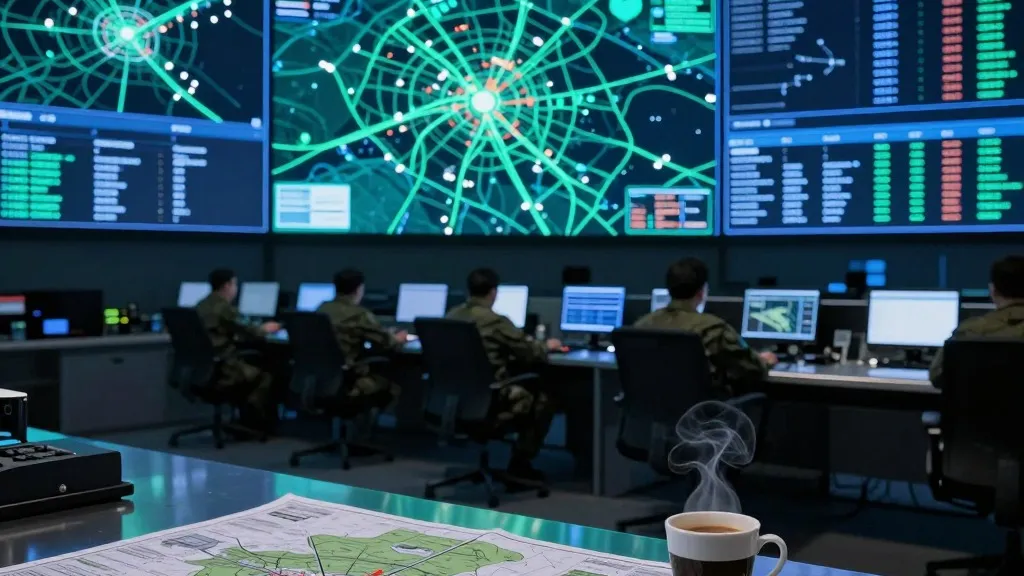
Ukrainian President Volodymyr Zelenskyy announced on Saturday that the Starlink satellite network and the military-grade Starshield system have returned to their standard high-speed operations. The restoration began overnight, ending a period of more than one week during which connectivity was significantly slowed. Zelenskyy stated on social media that the service is now functioning at the levels required for effective military operations, marking a clear resolution to the recent disruption.
The first key takeaway is the specific technical improvement in network performance. The Defense Ministry of Ukraine confirmed through its monitoring systems that connectivity is now stable at speeds exceeding 250 miles per hour. This is a substantial increase from the previous cap of roughly 100 miles per hour, which officials said had hindered critical tasks such as intercepting drones and coordinating missions. The ministry emphasized that the return to higher speeds is a verified reality, not just a preliminary fix.
The second key point concerns the strategic importance of the network to Ukraine's defense infrastructure. Starlink has become a central pillar of the country's resistance against Russia's full-scale invasion. The system is relied upon for drone operations, logistics, and frontline communications. It also plays a vital role in supplying food and water to soldiers and in protecting against Iranian-made Shahed drones deployed by Russia. The Defense Ministry noted that the previous speed limits had directly impacted these essential functions, making the restoration a significant operational relief.
The third key element is the diplomatic credit given for the resolution. Defense Minister Yevhen Khmara attributed the successful restoration to direct dialogue led by President Zelenskyy. He highlighted that the outcome is crucial for frontline service members and their ability to maintain communications and logistics. In his own post, Zelenskyy expressed gratitude to American officials, specifically naming members of Congress, the State Department, and President Donald Trump, signaling a collaborative approach to resolving the issue.
Context suggests that the cause of the slowdown had created tension between Washington and Kyiv. Ukrainian officials previously indicated that they believed the U.S. government was responsible for the restrictions, claiming that SpaceX acted on a message from American authorities. This view was supported by SpaceX CEO Elon Musk, who wrote on October 14 that Starshield is owned and controlled by the U.S. government and that speed limits are ultimately decided by the U.S. military and the President.
The Trump administration has maintained a stance of denying direct interference with Ukraine's access to the system. Speaking to reporters on Friday, President Trump declined to identify who ordered the restrictions, stating that he would not reveal that information even if he knew it. He also offered strong personal support for Musk, describing him as a fair person who never does anything wrong, which further complicated the narrative regarding the source of the initial slowdown.
This technical resolution arrives at a pivotal moment in the broader conflict. A renewed U.S.-led push for peace talks is currently underway, with Russia agreeing to a trilateral meeting with Ukraine and the United States next month. Additionally, the two sides have agreed to a localized ceasefire in the Russian-occupied southern city of Oleshky. The White House credited First Lady Melania Trump with brokering this deal, which includes provisions for humanitarian aid and civilian evacuation amid a worsening food crisis in the region.
Despite the diplomatic progress and the restoration of satellite speeds, active combat continues on the ground. On Saturday, Ukrainian forces attacked a chemical plant in the Russian city of Tolyatti. In a separate incident, a Russian drone struck a residential building in Kyiv's Obolon District, causing a fire. These events illustrate that while communication infrastructure has been stabilized, the physical realities of the war remain intense and unpredictable for both nations.