Houthi Siege Forces Taiz Families to Ration Water to 2.5 Liters Daily
With wells blocked and fuel scarce, residents of Yemen’s third-largest city are stretching ten liters of water over four days as prices for basic goods surge.
By Marco Kapoor ·
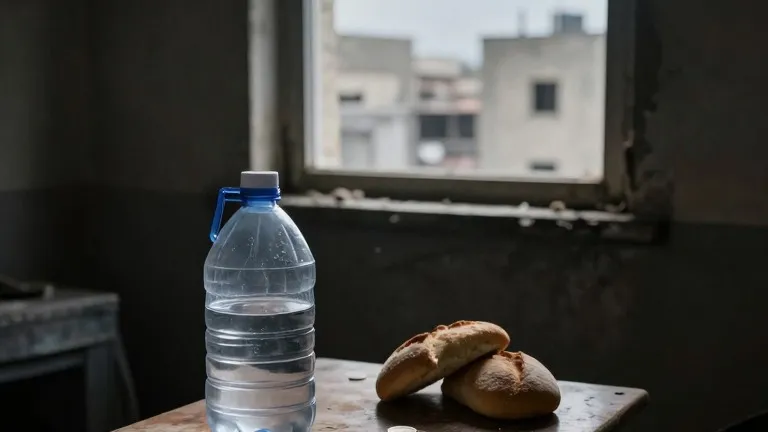
Aid organizations report that drinking water access in Taiz, Yemen, has collapsed in recent weeks. The city’s more than one million residents are struggling to meet basic needs as Iran-backed Houthi rebels tighten their siege. Humanitarian groups state that access to local wells is restricted, desalination plants lack fuel, and water trucks are frequently blocked from entering the city.
The conflict in Yemen began in 2014 when the Houthis seized the north, including the capital Sanaa. Taiz has remained a focal point of fighting ever since. Aging infrastructure, population growth, and drought had already depleted groundwater, forcing residents to rely on water trucks. That system functioned until the rebels captured the port city of Mokha, about 130 kilometers away, in September. This move allowed them to control Red Sea shipping routes and expand their hold on the roads surrounding Taiz.
As the siege intensified, the daily water budget for many families dropped to 2.5 liters. Hadil al-Shahid, a local salon owner, said her household once used 10 liters of bottled water per day for drinking and cooking. That same amount now lasts roughly four days. She stopped brewing coffee and tea to conserve the supply. Bottled water prices have risen by as much as 75 percent, prompting some households to buy on credit.
The shortage extends beyond water. Fuel scarcity has reduced hospital operations and sanitation services. Cooking gas prices have more than quadrupled, leading some families to burn wood, charcoal, or cardboard for heat. Flour and rice costs are approximately 50 percent higher than they were in the summer. Jens Laerke, a spokesperson for the United Nations emergency aid division, warned that disease risks, including cholera, are rising as families use unprotected wells.
Taiz province has absorbed an estimated 124,000 displaced people since August, according to United Nations migration experts. Many live in makeshift shelters or tents. Ahmed Abdel Gaber, who shelters with nine relatives in building ruins, said his income from hauling construction materials has become inconsistent. He relies on donations for food. Al-Shahid closed her hair salon as customers prioritized food and water over services. Her children now eat mostly rice, bread, and cheese.
Government forces hold the center of Taiz but face stiff resistance in the surrounding hills. Three Houthi officials speaking anonymously claim their group controls about 80 percent of the surrounding countryside and several neighborhoods inside the city. Foreign Minister Afrah al-Zouba acknowledged the tightening grip. Earlier this week, Houthi missiles struck a residential area, killing two teenage girls. Abdel Gaber hears explosions daily from fighting located about 5 kilometers away.
Amnesty International has urged the Houthis to open roads into the city immediately. The organization warned that Taiz is being pushed to the brink of a severe humanitarian disaster. Al-Shahid said she cannot afford to leave her home. "Staying in our home is inevitable," she said, "whether it be a matter of life or death."