Property Tech: Wireless Sensors Cut Water Damage Costs
Battery powered devices alert managers within minutes, reducing insurance claims and staffing burdens in apartment buildings.
By Christopher Singh ·
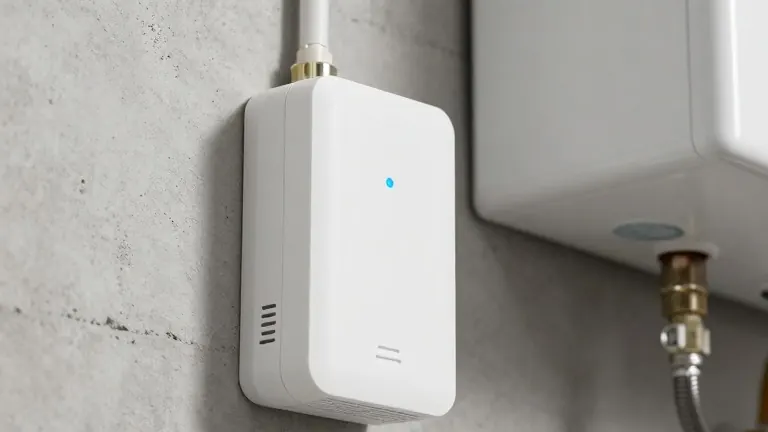
Water damage claims cost the average homeowner policyholder $15,400, a figure that climbs sharply in multifamily housing where leaks spread across multiple units. Property managers are turning to wireless leak detection systems to stop water before it destroys drywall and flooring in wood framed buildings.
The technology relies on small, battery powered sensors placed near water heaters, sinks, and laundry machines. These devices do not require wiring or wall openings. A maintenance technician can install a full set in one building in about half a day. Because the hardware is wireless, residents remain in their homes during installation, eliminating the need to coordinate move outs for plumbing work.
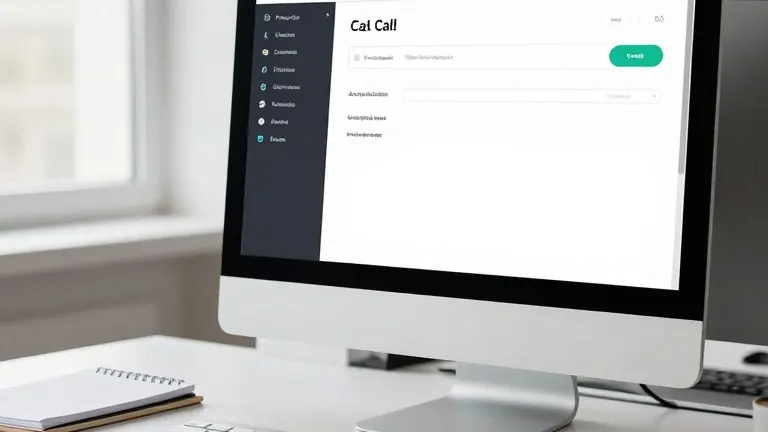
The system uses a gateway that connects to the building internet and sends alerts to specific staff members. If a sensor detects water, it triggers an automatic shut off valve on the supply line. This action stops the flow immediately, limiting damage to the room where the leak started. The platform records every command, allowing managers to verify that the valve closed successfully.
Alerts are routed based on the type of issue and the team on duty. A leak under a water heater goes directly to building maintenance. An irrigation problem goes to the grounds crew. If the first person does not resolve the alarm within a set time, usually 15 minutes, the notification escalates to a supervisor, and then to the property manager by text message. This hierarchy ensures that urgent issues receive attention without overwhelming the entire staff with low priority notifications.
The need for this automation is driven by staffing shortages and rising insurance costs. A 2023 survey by Parks Associates found that nearly a quarter of apartment owners are understaffed. Meanwhile, property insurance per unit rose from $502 in 2021 to $777 in 2024. The National Apartment Association data shows a 55 percent increase in just three years. Many policies now place caps on water damage coverage, making prevention a financial necessity for owners.
Wood framing contributes to the risk. The US Census Bureau reported that 84 percent of for rent multifamily buildings completed in 2025 used wood frames. Water travels easily through joists and drywall. A burst pipe on the fourth floor can damage ceilings and walls on three lower floors. The EPA recommends drying wet materials within 24 to 48 hours to prevent mold. A leak detected in minutes allows for a simple repair, while a leak found after a weekend often requires a restoration contractor.
Once the leak sensors are installed, the same network can monitor other building systems. Temperature sensors in vacant units alert maintenance if heat fails, preventing frozen pipes. The US Fire Administration reports about 106,700 multifamily fires annually. Wireless smoke sensors in empty apartments provide an additional layer of protection during off hours. Wireless utility meters also track water usage per unit, helping owners identify running toilets and bill residents accurately.
More Business · Bad Service · Report a business · Got a Story?