4.3%: Inflation accelerates as fuel costs surge
Treasury officials attribute the rise to overseas energy shocks, but polls show nearly a third of voters blame government spending.
By Marco Kapoor ·
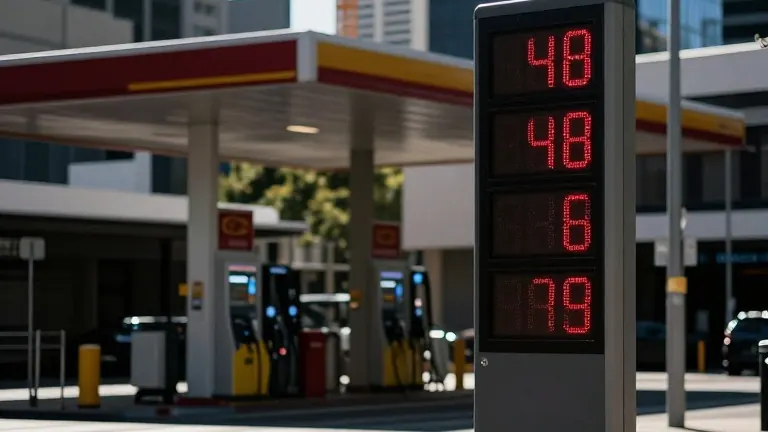
Australian inflation rose to 4.3% in the year to the September quarter, up from 4% in the previous quarter, according to data released by the Australian Bureau of Statistics on Tuesday. The increase was driven primarily by a 9.4% jump in fuel costs, which accounted for the bulk of the headline rise.
Petrol and diesel prices averaged 24% higher than they were a year earlier. Treasury Minister Jim Chalmers cited the worsening Middle East conflict and the resulting global oil shock as the primary causes. He noted that the war in Iran, which began in late February, created capacity pressures in the economy before fuel prices spiked.
Chalmers also pointed to a surge in spending on data centers, which he said is straining the labor and materials needed for domestic construction projects. Michele Bullock, the governor of the Reserve Bank of Australia, agreed with this assessment. She stated that overseas developments are complicating the central bank's task of returning inflation to its 2.5% target by the end of next year.
Public sentiment, however, suggests voters are not fully accepting the external explanation. An Essential poll released the same day found that nearly one-third of voters believe government spending is the top cause of rising living costs. Only 24% cited overseas events like the oil shock as the main reason, while 19% blamed supermarket price increases.
Economists have questioned whether public expenditure levels are consistent with the goal of cooling the economy. Chris Richardson, a prominent budget analyst, argued that government spending remains too high. Government expenditure as a share of the economy is currently near record highs, a level that some say conflicts with the government's insistence that it has limited influence over the current inflationary trend.
The Reserve Bank is preparing to announce its next monetary policy decision next Tuesday. Officials indicated during senate estimates that they are more concerned about inflation becoming entrenched than about rising unemployment, which recently hit a five-year high. A rate hike is expected to push the cash rate to 4.85%, the highest level since the global financial crisis.
Sarah Hunter, the RBA's chief economist, stated there are no signs the economy is heading into a recession in the near term. Despite this, 61% of Australians believe the country is on the wrong track, according to the latest poll data. The government faces pressure to address these concerns in the mid-year budget scheduled for December.
More Business · Bad Service · Report a business · Got a Story?