New startup aims to clone genetically edited dogs for military use
A venture-backed firm will engineer canines for defense roles, partnering with Anduril to equip them with advanced tactical technology.
By Kevin Iyer ·
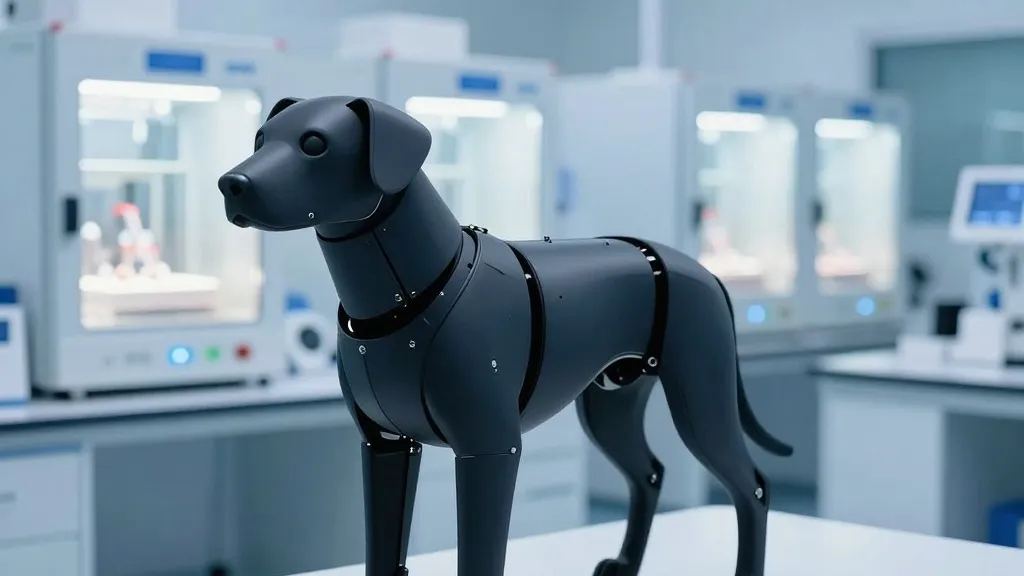
A new company has emerged from stealth mode with a plan to create genetically modified dogs for the U.S. military and emergency services.
Warhound, a startup founded by Ben Lamm of Colossal Biosciences and backed by Anduril co-founder Palmer Luckey, raised $200 million in a recent funding round. The investment came from Sequoia, 8VC, Corner Ventures, and In-Q-Tel, a venture firm supported by U.S. intelligence agencies. This round values the company at $1.2 billion. The firm intends to develop canines capable of performing dangerous tasks such as bomb detection and specialized searches that are currently difficult for humans or machines to execute safely. The company noted that over 80 percent of the U.S. military's working dogs are imported from Europe, and fewer than half of those are fit for service.
Lamm met Luckey at a conference about a year ago, where Luckey expressed a desire to improve the situation for military working dogs. Lamm subsequently researched the breeding of these animals and found that many fail training due to inherited health issues, including poor eyesight, hip dysplasia, and cancer. The team plans to use cell lines from top-performing breeds, specifically Belgian Malinois and German Shepherds, to engineer a new type of dog. They intend to edit genes to enhance health, longevity, speed, and olfactory capabilities. Viagen, another Colossal-owned entity, will handle the cloning process, with the first batch of dogs expected to be born early next year.
Anduril will provide the hardware and software components for the program. Their gear, which includes protective vests and goggles, is designed to aid situational awareness for both the dogs and their handlers. Lamm described the equipment as an external layer that improves safety and performance without altering the animal's biology. He stated that these enhancements will help protect human handlers as well. Luckey serves as a partner in the venture but does not hold equity, while Colossal supports the business by licensing its technology.
The company has not yet determined pricing for the dogs but expects to sell them to first responders, police forces, and military service groups. Lamm said the firm has briefed various government bodies on the project. Regarding civilian safety, he explained that each dog will undergo standard military training and be managed by the purchasing agency. Warhound is working under the guidance of the American Humane Society to certify its training program. The hope is that retired dogs will enter the Society's reunification program to find permanent homes.
In a statement, the American Humane Society expressed its support for the collaboration. The organization said it was pleased to be invited to the table to ensure the animals are treated humanely. The company aims to have these new dogs in service within two years, addressing the dwindling supply of domestic working dogs currently available to U.S. agencies.