Midterm AI Vote: ChatGPT served 16.5 million election queries
OpenAI's partnership with Democracy Works provided real-time voting logistics to millions of users on Election Day 2026.
By Marco Kapoor ·
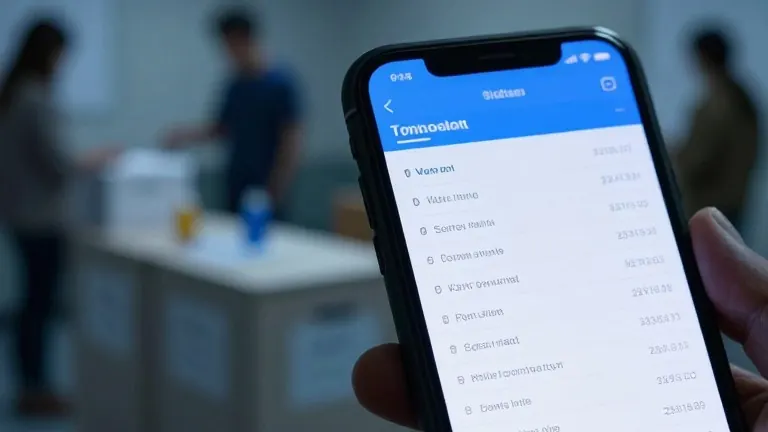
OpenAI reported that its ChatGPT platform retrieved voting information from the nonprofit Democracy Works more than 16.5 million times as of Tuesday afternoon. The data point captures user queries regarding Election Day logistics during the 2026 midterm elections. The count is expected to rise as voting continues throughout the day.
The retrieval numbers cover specific logistical details such as registration deadlines, identification requirements, and physical voting locations. The total does not include questions about specific candidates, race outcomes, or general election issues. It also excludes requests where voters sought guidance on how to make specific ballot decisions.
Democracy Works, a nonpartisan organization based in Brooklyn, New York, operates an application programming interface that supplies this data. The system aggregates information from federal, state, county, municipal, submunicipal, and school board elections. It covers jurisdictions with populations exceeding 5,000 people. The nonprofit compiles data from state and local election offices and monitors updates made during the election period.
This marks the first midterm cycle where OpenAI has partnered with Democracy Works. The organization maintains similar agreements with Anthropic and Google. When users ask Claude or Gemini for nonbiased logistical information, those models also pull from the Democracy Works API. The setup allows AI firms to provide current and accurate answers without relying on older training data.
Josh Lawson, OpenAI's head of civic and strategic risk, described the arrangement in a briefing last month. He called it a data freshness layer that enhances the company's offerings. Lawson noted that Democracy Works provides a reliable corpus of information and links to downstream election office sites. He explained that the nonprofit tracks voting methods allowed in specific locations.
Lawson stated that the partnership has altered the voter experience compared to the 2024 election. Previously, the model would often refuse to answer logistical questions or direct users to websites requiring multiple clicks to find details. The current integration allows for direct, real-time responses.
AI companies face increased pressure to ensure their products deliver accurate information to voters as usage grows. The 2026 midtests represent a major test of these partnerships. OpenAI and its competitors aim to reduce confusion by providing verified data from official election sources.