Cuba's power grid fails as only one oil tanker arrives since January
Doctors in Havana now finish surgeries with phone lights after U.S. sanctions tightened and Venezuela's oil supply vanished.
By Marco Kapoor ·
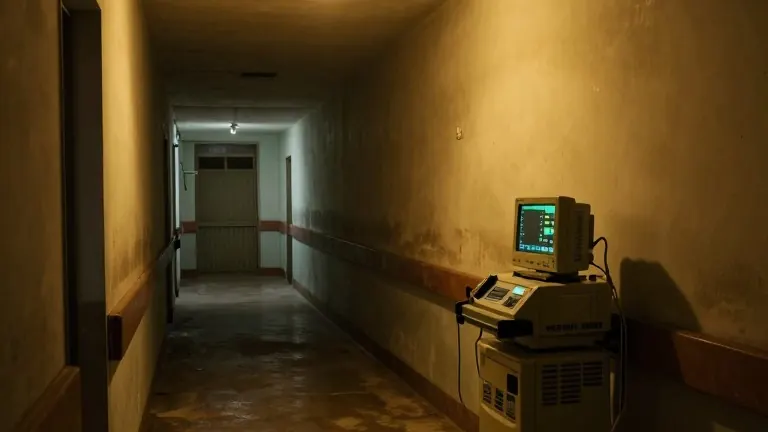
Cuba is dark again. Since early January 2026, only one tanker of oil has reached the island, according to Cuban officials. That single shipment has left the electrical grid crippled and daily blackouts a constant reality for more than 9 million people.
The power cuts are not just an inconvenience. They are a medical emergency. In the pediatric emergency room at William Soler Hospital in Havana, the lights flicker out for critical seconds while backup generators struggle to kick in. Dr. Alejandro Chong, who heads the intensive care unit, says those few seconds are dangerous for patients on ventilators or under anesthesia. When the generators fail completely, his team has had to finish surgeries using the light from their cellphones. If a ventilator stops, doctors pump oxygen for critical patients by hand.
The shortage of electricity is part of a wider squeeze on the island. The Trump administration has tightened the U.S. embargo, threatening to sanction any foreign company that does business with Havana. Washington says this is meant to force a corrupt regime to change. Havana argues the sanctions are designed to turn Cuba into a failed state. The U.S. has even threatened to take control of the country, a position Secretary of State Marco Rubio has called a priority.
The loss of Venezuela, Cuba's main oil supplier, made the crisis worse. The United States captured Venezuelan President Nicolás Maduro, cutting off that lifeline. Now, just 90 miles from the U.S. coast, Cuba struggles to import basic needs. Washington claims it does not intend to restrict food and medicine, but foreign companies fear U.S. penalties and are staying away. As a result, pharmacy shelves are bare, and bread lines stretch around the block.
Doctors are making do with what they have. Dr. Chong told CBS News that the hospital often uses formulas made from malanga, a starchy root vegetable, and chicken to feed malnourished infants. Specialized formulas from the United States are too expensive or hard to get. One infant, about two months old and weighing less than five pounds, was rushed into the ICU dehydrated and barely responsive. He had no name and no family. He was abandoned and brought in by protective services.
The strain is forcing medical staff to improvise their own survival. Many doctors have left the profession or the country. Those who stay often take second jobs. Dr. Chong runs a food stand where he earns more than he does running the ICU. Dr. Lorien Rodríguez, a second-year resident in pediatric surgery, supports herself by working as a radio host. She says there are fewer personnel and fewer resources, which makes the work much harder.
The shortages are specific and painful. Cancer drugs, anesthetics, and lab equipment are in critically short supply. One toddler waited 68 days for a part for an artificial lung machine, a part that would normally arrive in two days. Paloma Blanco, a dancer with the National Ballet of Cuba, is eight months pregnant. She is nervous about giving birth. She has asked friends in the United States to send her surgical supplies just in case she needs a C-section. A carton of eggs can cost more than a month's salary, forcing many Cubans to buy medicine on the black market.