Amazon Forms Personal Robotics Group After Astro Stalls
The company assembled a new team and acquired Fauna Robotics to build a successor to the limited-run home robot.
By Kevin Iyer ·
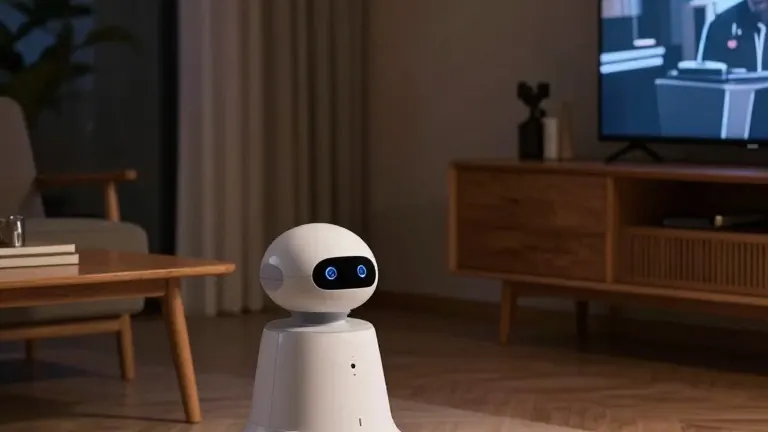
Amazon is developing a new home robot to replace its previous attempt, Astro.
The company has formed a dedicated unit called the Personal Robotics Group. This team is currently working on a product described in job listings as a 'new-to-world robot.' The goal is to create a device that operates autonomously in homes alongside family members. A removed engineer job posting stated that robots are about to step out of movies and into residences.
The initiative follows the limited success of the original Astro. Launched in 2021 for $1,450, the robot acted as a rolling security monitor and face-recognition device. It remained an invite-only product for years, shipping to only a few thousand customers. Amazon also released a business version in 2023 but discontinued it less than a year later. The company spent $33.4 billion on robotics and physical AI firms in the first half of this year, according to PitchBook data.
Amazon built the new team by redeploying staff from the original Astro project. The company hired an MIT roboticist to lead the effort. In March, it acquired Fauna Robotics, a New York firm that builds a 3.5-foot-tall humanoid named Sprout. Fauna is now part of the Personal Robotics Group. Many staffers in this division previously worked in Lab126, the internal research unit behind the Kindle and Echo devices.
CEO Andy Jassy framed the effort as a long-term bet in his latest annual letter. He identified artificial intelligence and robotics as major turning points for the industry. The company aims to invent products that make daily life easier, even if the market does not immediately understand the value. Amazon previously used this strategy with the Alexa voice assistant and the Kindle e-reader.
Current Astro owners describe the device as useful but limited. Emily Lugo Velez, a resident of North Carolina, has used the robot since 2023. She uses it to check on pets and appliances but often returns it to its charging dock because it becomes a trip hazard. She described the experience as being stuck with the hardware until it eventually fails. Joe Martin, an owner near Tucson, Arizona, said the device has provided value over four years. He expressed interest in a successor that could perform active tasks like carrying drinks or dusting furniture.
Experts note that building a home robot is more difficult than building industrial robots. The home environment includes obstacles like children, pets, and varied layouts. Jeff Burnstein, president of the Association for Advancing Automation, said no home is set up exactly the same way. This makes walking robots challenging to deploy in private residences. Amazon acquired Kiva Systems in 2012, which introduced mobile robots to its warehouses. It now operates over one million robots in its fulfillment centers.
Amazon spokesperson Brad Glasser said the acquisition of Fauna stems from a commitment to unlocking the personal robotics category. He noted a gap between capabilities in controlled labs and those in living rooms. The company is working with the robotics community to close that gap. Glasser stated that Amazon remains optimistic about robots helping people in meaningful ways. He added that the company continues to support existing Astro customers, despite online complaints about service and AI integration.
The market for humanoids is expected to grow rapidly. Barclays forecasts the global market could reach $40 billion by 2035. Some optimistic scenarios value it as high as $200 billion. Companies like Tesla, Figure, and Apptronik are building bipedal robots for various industries. Amazon's new robot remains undefined, but job postings suggest a focus on making the experience delightful for users.