Spain's 14.70 Euro Set Lunch Serves 4 Million Weekday Meals
New research details the origins and current economic pressures facing the traditional midday meal.
By Marco Kapoor ·
Spanish society relies on a standardized midday meal that has persisted for decades despite changing economic and social conditions. The menú del día remains a staple for millions of workers, though its dominance is slowly eroding.
A new book by food journalist Lakshmi Aguirre, titled Menú del Día: Everyday Scenes of a First Course, a Second Course and Pudding, examines the history and current state of this tradition. Aguirre concludes that while the practice is in trouble, it is not finished. She notes that the habit is slowly losing ground as eating patterns shift across the country.
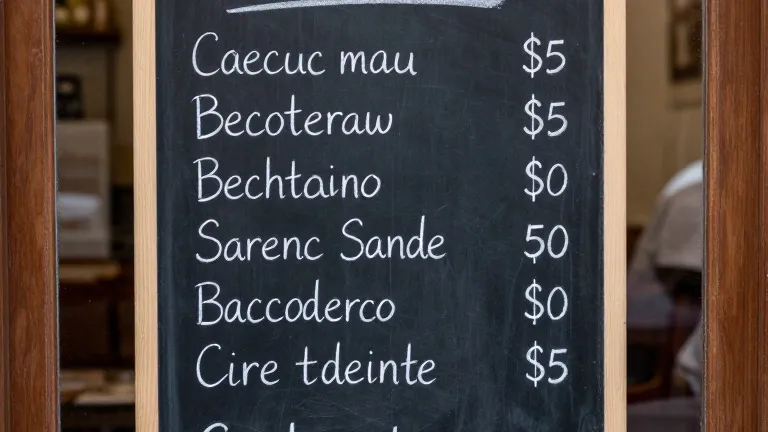
The average price for the set lunch is now 14.70 euros. This cost includes a starter, a main dish, a choice of pudding or coffee, bread, and a drink. Approximately 4 million of these meals are still served on weekdays across Spain. In 2009, chef Ferran Adrià declared the tradition dead, citing changing habits and the rise of bistro-style restaurants. He suggested that those establishments charged 20 to 30 euros for similar meals. Seventeen years later, the data suggests his verdict was premature.
The origins of the menú date to the mid-1960s under the government of Francisco Franco. Manuel Fraga, the information and tourism minister, devised the menu to show foreign visitors that food in Spain was plentiful, good, and affordable. The law required establishments to offer a soup starter, a main course of egg, fish, or meat, and a pudding based on fruit, sweets, or cheese. Prices were fixed between 50 and 250 pesetas. The regulation also mandated that the accompanying quarter-litre of wine be pure Spanish red or white with at least 12% alcohol to prevent owners from watering it down.
In the early 1970s, the menu was renamed to distance it from its tourist roots and encourage local consumption. Aguirre notes that many Spaniards are unaware of this specific origin. She observed that when she mentioned Fraga during her research, many people reacted with shock. She said, "It says a lot about us Spaniards; we forget very quickly." She describes the menu as part of the country's history that reflects the evolution of Spanish society, with nostalgia growing as the habit fades.
Several factors are pressuring the tradition. Time-poor workers often opt for quick lunches, bringing food from home or microwaving ready meals. Rising energy and food costs make it difficult for small, family-run restaurants to maintain a rotating daily choice. Some venues have switched to a single dish of the day, while others have added Latin American staples to reflect changing demographics. Aguirre accepts these shifts, noting that the menú has always mirrored the society that eats it.
Aguirre defines her ideal meal as a simple vegetable stew, followed by hake in green sauce or baby squid in ink, and finished with leche frita or rice pudding. She tests venues for simple dishes, a changing menu, and non-frozen chips. She also looks for a chorus of regulars and a chalkboard free of words like avocado, burrata, tartare, truffle, or sourdough bread. She gives bonus points if the owners' child is doing homework at a table in the back.
For Aguirre, the value of the menú extends beyond cost. She said, "What's being lost is a meeting point." She describes it as a place where families with limited means can eat out and people living alone find company. She added that the true privilege lies "not just in being able to pay for a meal, but also in having the time to enjoy it."
More Culture · World news · Report a business · Got a Story?