FDA data links energy drinks to cardiac arrest in young adults
A review of 28,345 adverse event reports found a strong statistical association between caffeine products and heart issues in the 18-34 age group.
By Christopher Singh ·
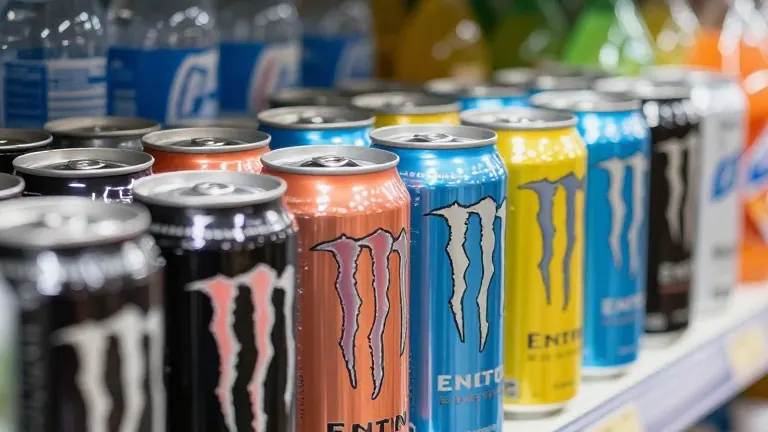
Cardiac arrest occurred at a rate approximately 11 times higher in reports involving caffeine and stimulant products compared to those without, according to a new analysis of FDA safety data. The study, which examines the relationship between energy drinks and cardiovascular events, will be presented at the American Heart Association meeting in Chicago starting November 6.
Researchers analyzed 28,345 adverse event reports submitted to the FDA database between 2017 and 2025. Of that total, 854 reports specifically mentioned energy drinks or dietary supplements containing caffeine or other stimulants. The team compared these cases against 27,491 reports involving products that did not contain those ingredients. The findings indicate a strong statistical association, though the study does not prove that caffeine directly causes heart damage.
The data highlights a specific vulnerability in the 18 to 34 age group. Approximately 45 percent of the reports linking caffeine products to cardiovascular events involved adults in this range. This demographic is typically not considered at high risk for such conditions. The pattern held consistent across both male and female patients, suggesting the risk is not limited by gender.
Beyond cardiac arrest, the analysis found that reports involving energy drinks or supplements were 4.5 times more likely to mention heart attacks. They were also four times more likely to report ventricular arrhythmias, which are abnormal heart rhythms in the lower chambers, or palpitations. These figures suggest that the impact of high caffeine doses extends beyond sudden cardiac events to include various rhythm disturbances.
Sai Samayamanthula from the University of Virginia noted that these products are sold daily alongside soft drinks and bottled water, leading many consumers to assume they pose no real risk. He stated that while the risk is likely low for occasional use among healthy individuals, habitual consumers may quickly exceed the recommended daily limit for caffeine. Samayamanthula emphasized that it is important for people to know these products can pose a risk of cardiovascular damage.
The American Heart Association released a communication reminding the public that available evidence links high caffeine doses to cardiovascular damage. The organization stated that the research on these supplements remains limited. The current findings are considered preliminary until the full article is published in a peer-reviewed scientific journal. The team concluded that more systematic safety monitoring of caffeine and stimulant items is necessary.
Samayamanthura advised health professionals to ask younger patients about their recent or habitual consumption of these products if they present with palpitations, chest pain, or fainting. The study underscores the need for clinicians to include these beverages in their standard assessment of young adults showing signs of cardiac distress.