EQT to Buy Range Resources
The Canonsburg-based firm will control 27% of Appalachian gas output, though experts predict minimal impact on consumer prices.
By Kevin Iyer ·
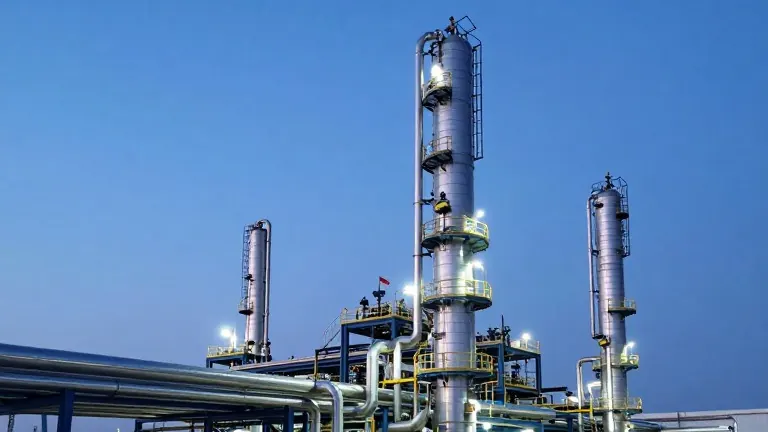
EQT has announced plans to acquire Range Resources, a move that will establish the Canonsburg-based company as the largest natural gas producer in the United States.
Wood Mackenzie analyst Lydia Walker stated the combined entity would control approximately 27% of gas extracted from the Appalachian basin. Walker noted this represents a substantial share but falls short of a majority position in the region.
Regulatory approval is expected to proceed without major obstacles. Ayisha Zia, a corporate strategy analyst at Wood Mackenzie, pointed out that EQT and Range serve diverse customer bases. Zia added that the lack of high customer concentration makes regulatory hurdles low for the transaction.
The merger coincides with rising demand for natural gas to power data centers in the area. Walker said EQT has already secured supply agreements for projects like the Homer City redevelopment. The acquisition positions the company to scale operations to meet this growing need. Zia observed that Range is not selling out of distress, as both firms recognize they can secure larger deals together than individually.
Company leaders stated in the merger announcement that the new firm would maintain a low-cost structure. They claimed this approach would deliver superior returns for investors.
Jeremy Weber, a professor at the University of Pittsburgh who studies energy policy and economics, said the merger will likely have a limited effect on short-term consumer prices. Weber described the deal as a small ripple in a market driven by larger forces.
Weber said global events such as the Russia Ukraine conflict and the war in Iran shape natural gas prices more than regional production changes. He noted that weather patterns and infrastructure capacity also drive demand. Weber said the merger signals the maturation of the Appalachian gas industry. He added that the easiest drilling sites have likely been tapped, making new wells more expensive. Weber stated that growing demand from global or domestic sources pushes prices up, which then justifies the higher cost of drilling in more difficult locations.
More Business · Bad Service · Report a business · Got a Story?